
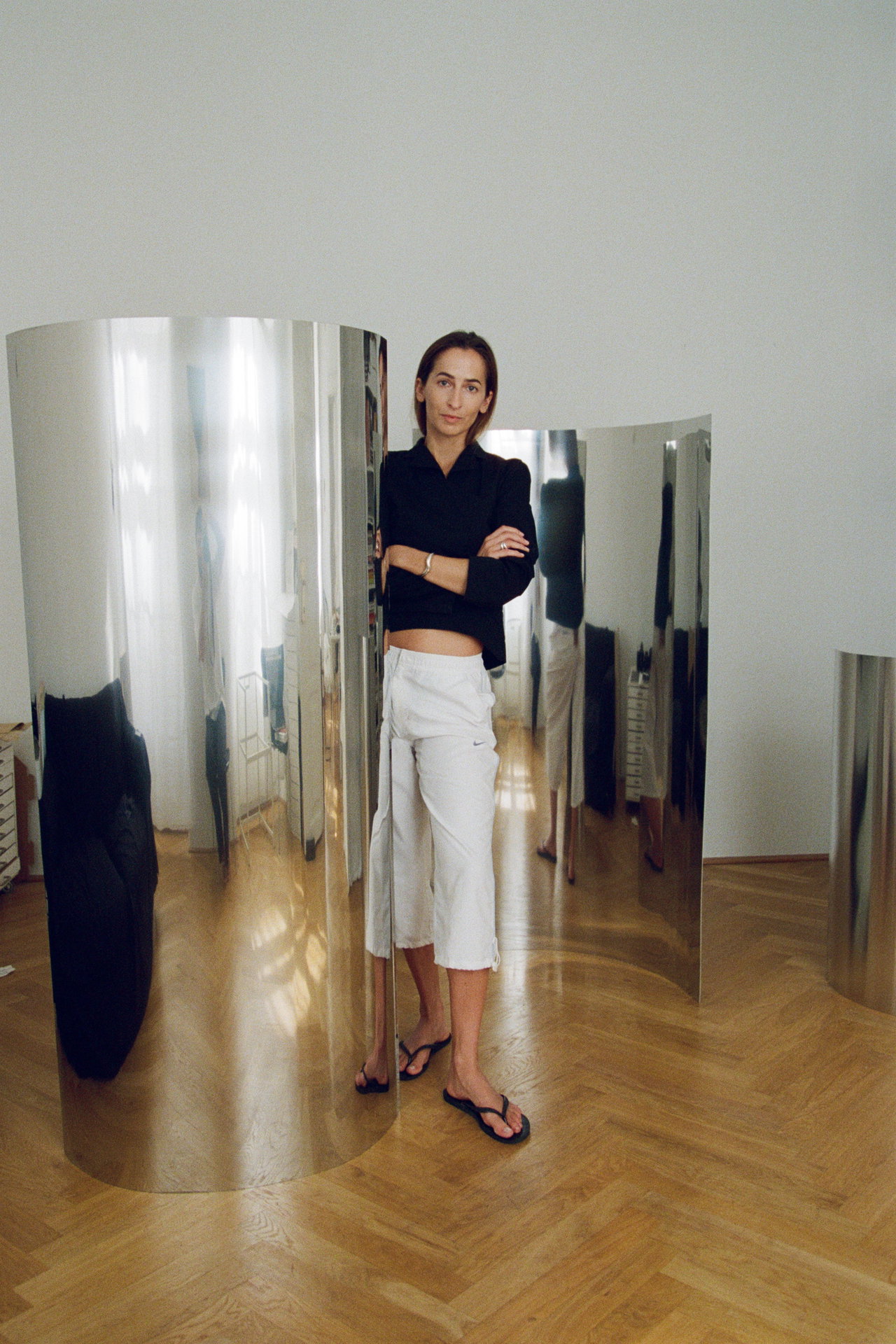
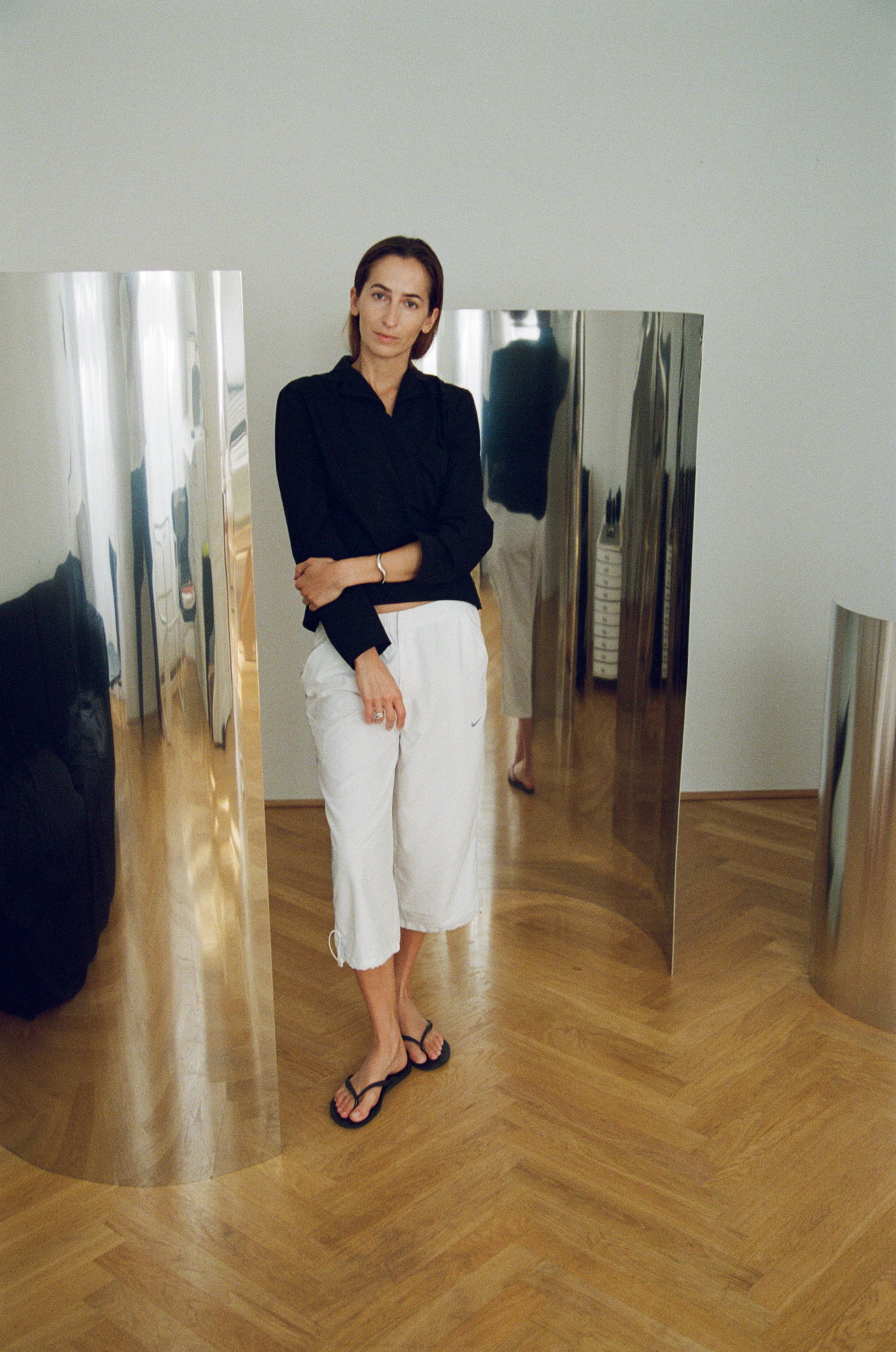
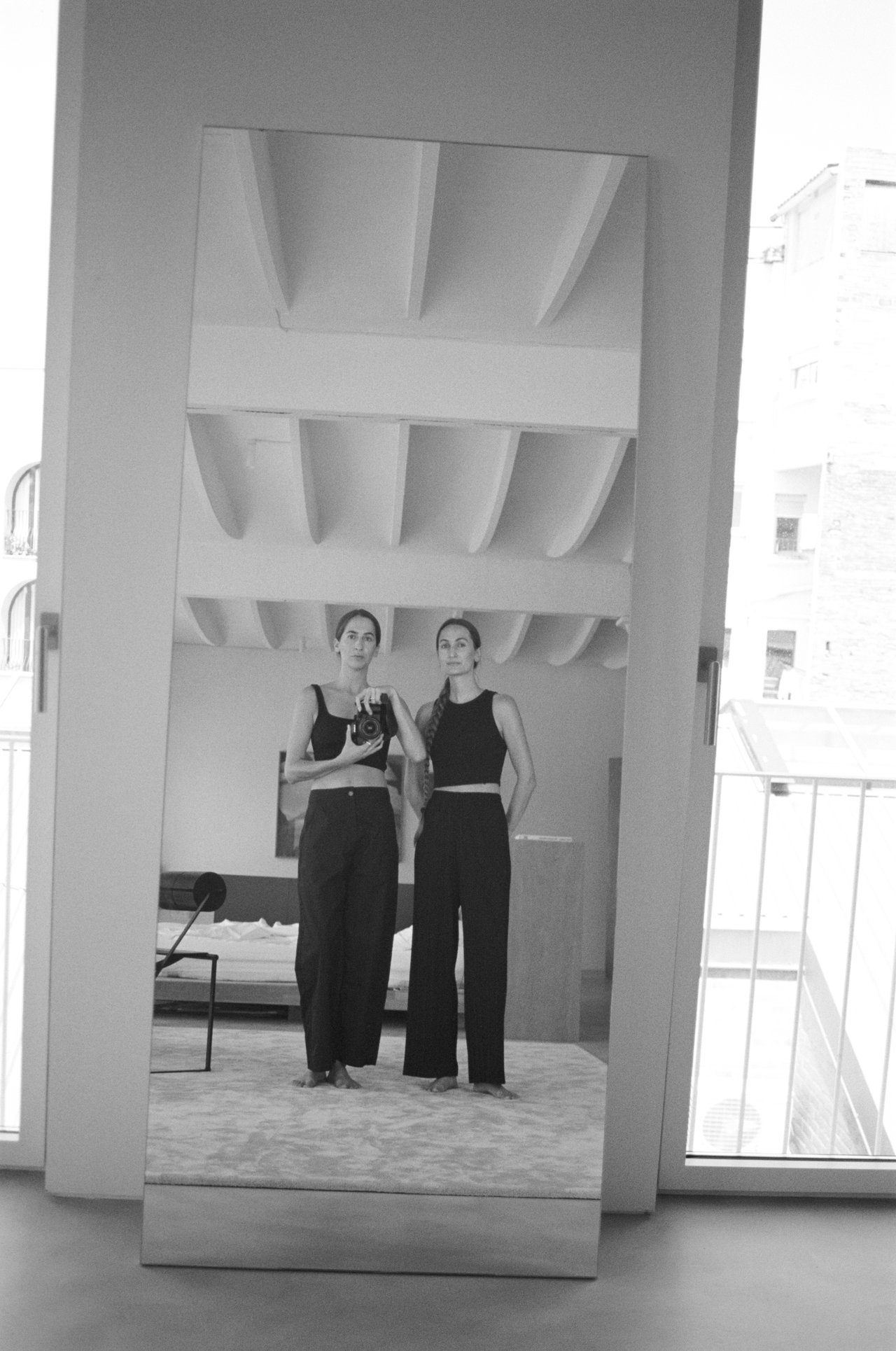
Maria Ritsch is an Austrian artist and photographer and one half of the artist duo RITSCH SISTERS, which she founded with her sister Anna in 2020. Working between Vienna, New York, and Paris, the sisters move across photography, video, sound, and installation, exploring the relationships between bodies, objects, and spaces.
Their work often looks at intimacy, perception, and the subtle ways people connect, touch, occupy, and move through shared spaces. Their collaborative practice has been presented internationally in Paris, New York, Amsterdam, Barcelona, Vienna, and beyond. They are represented by VASTO Gallery in Barcelona.
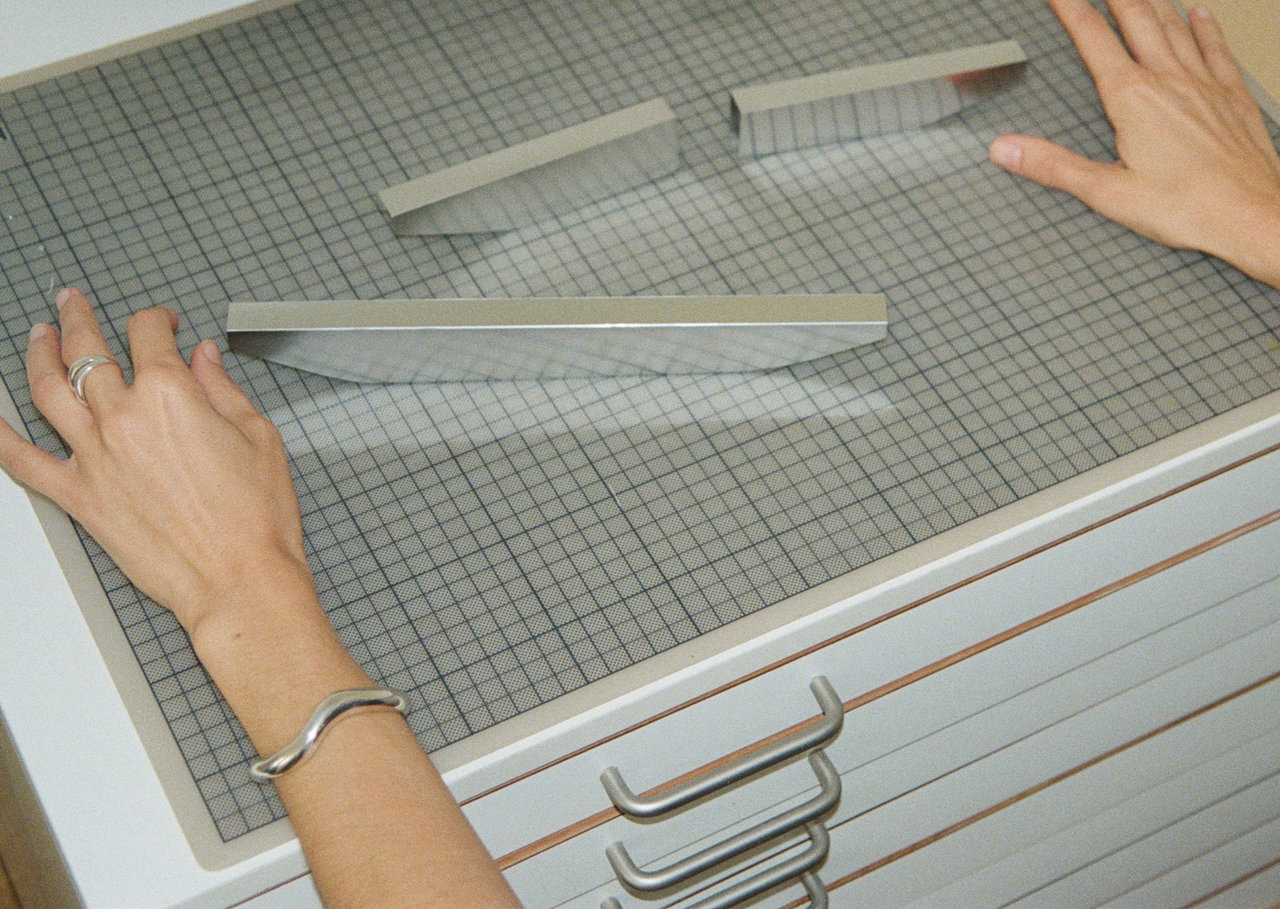
Model of a new seating object “sitting with” — in collaboration with Forever Studio and VASTO.
RITSCH SISTERS — Maria and Anna Ritsch
VIENNA, AUSTRIA
as seen by Maria Ritsch
Together Apart — photo sculptures
“Textures to touch” from the series “Made up mostly of water”
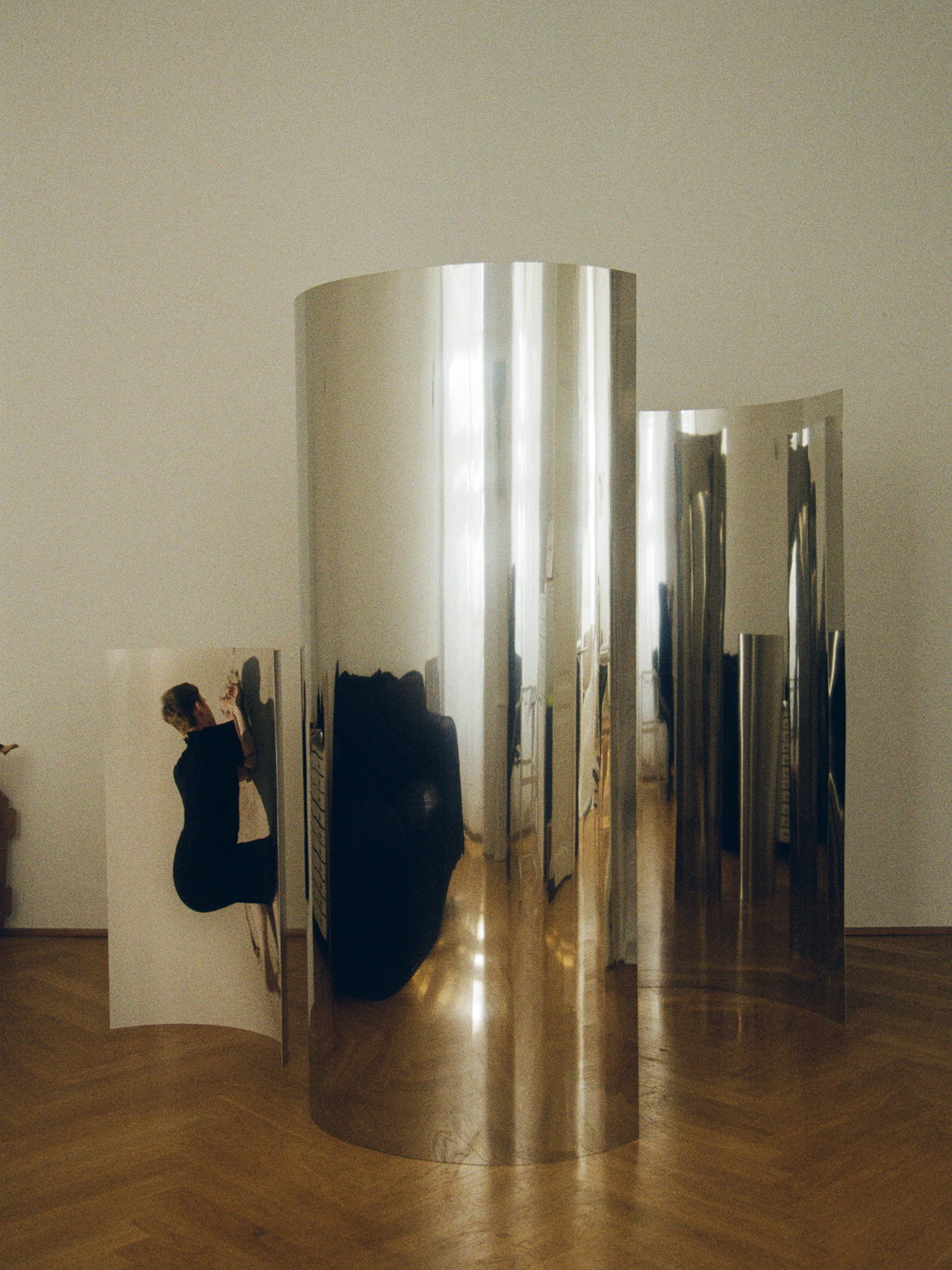
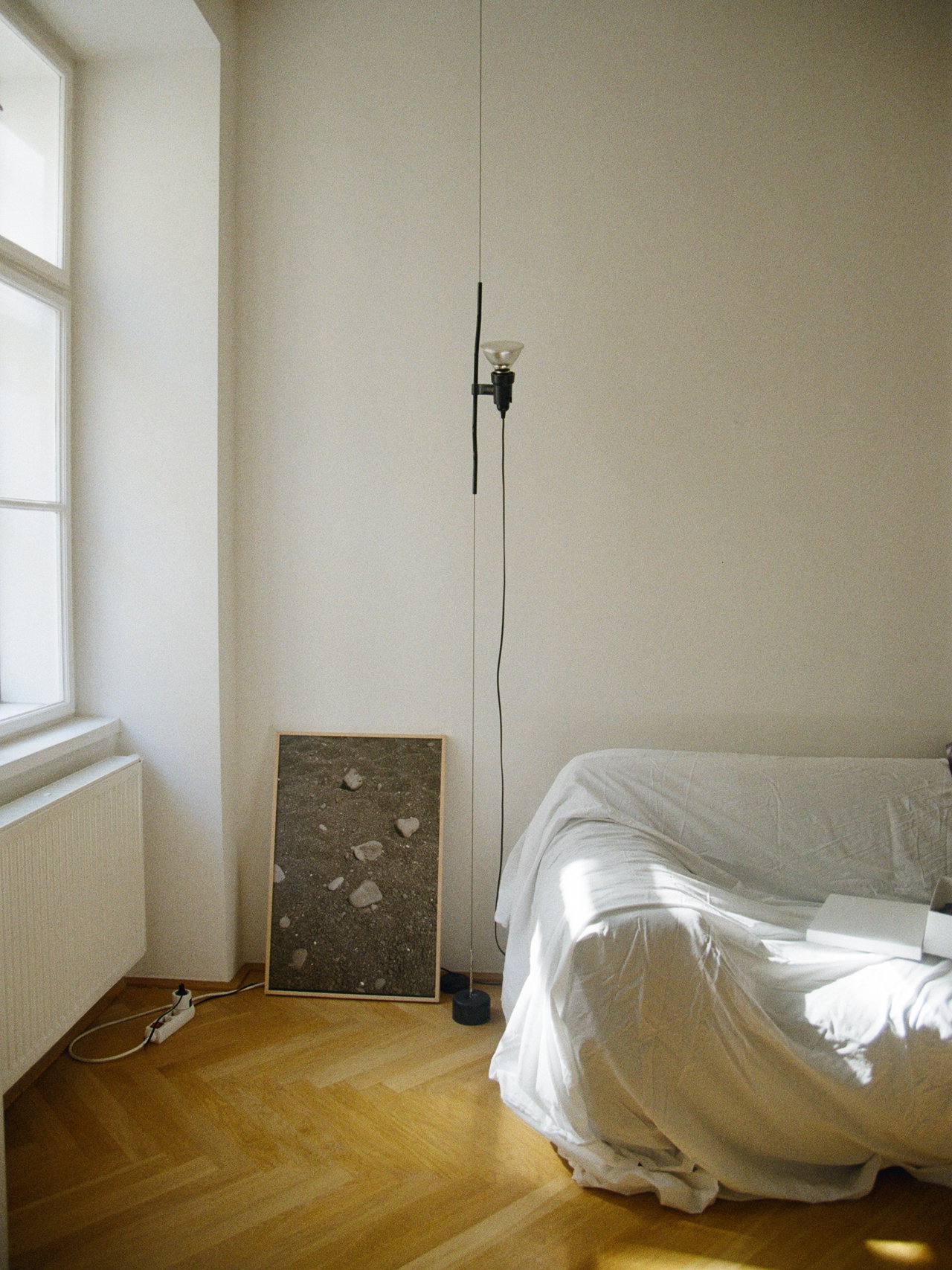
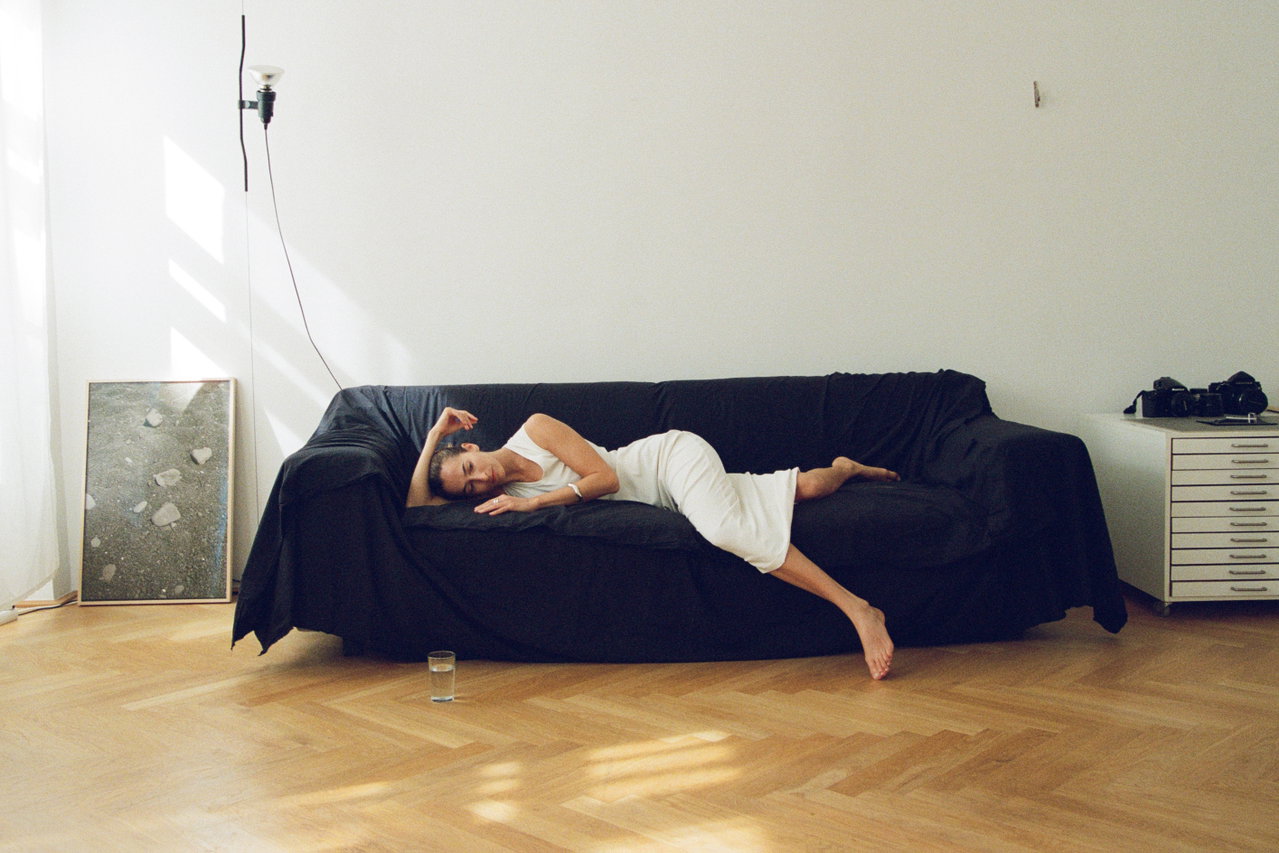
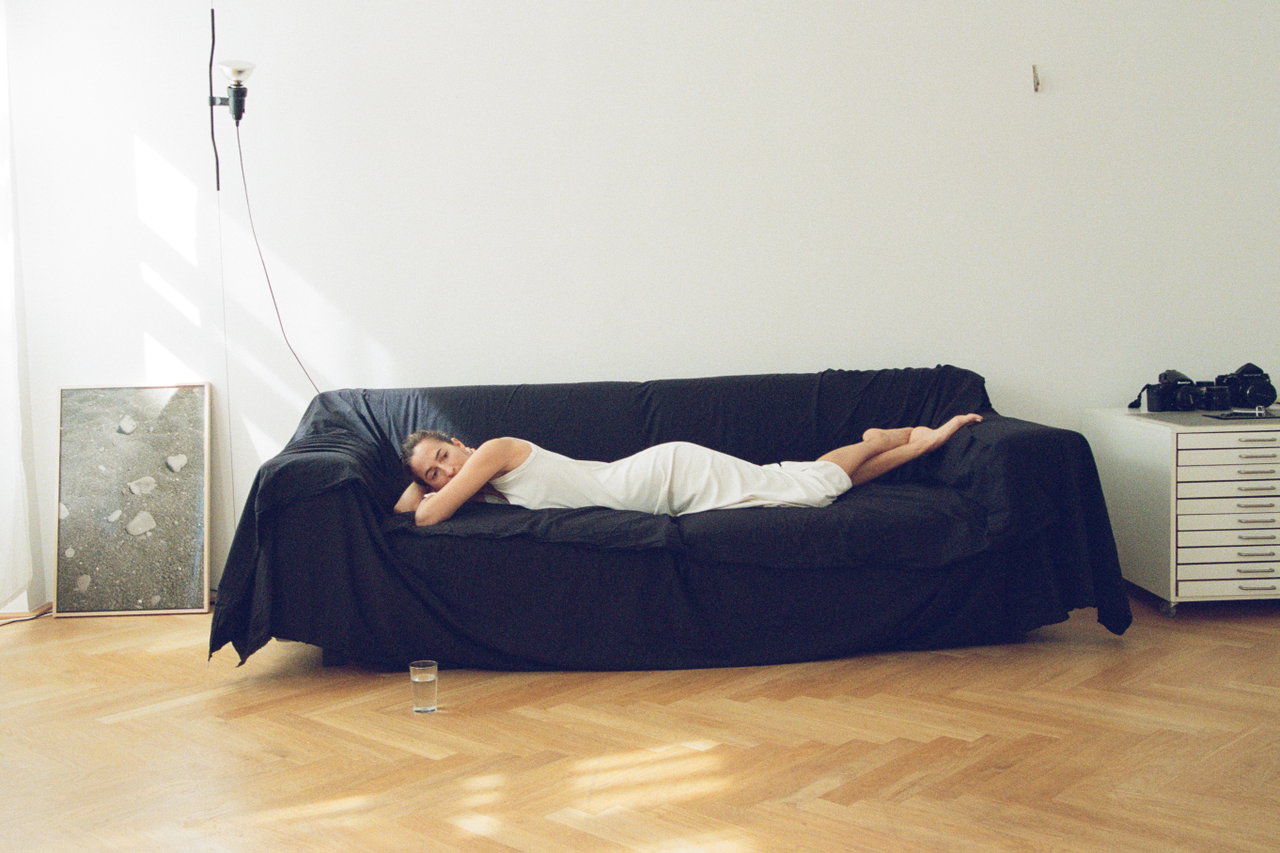
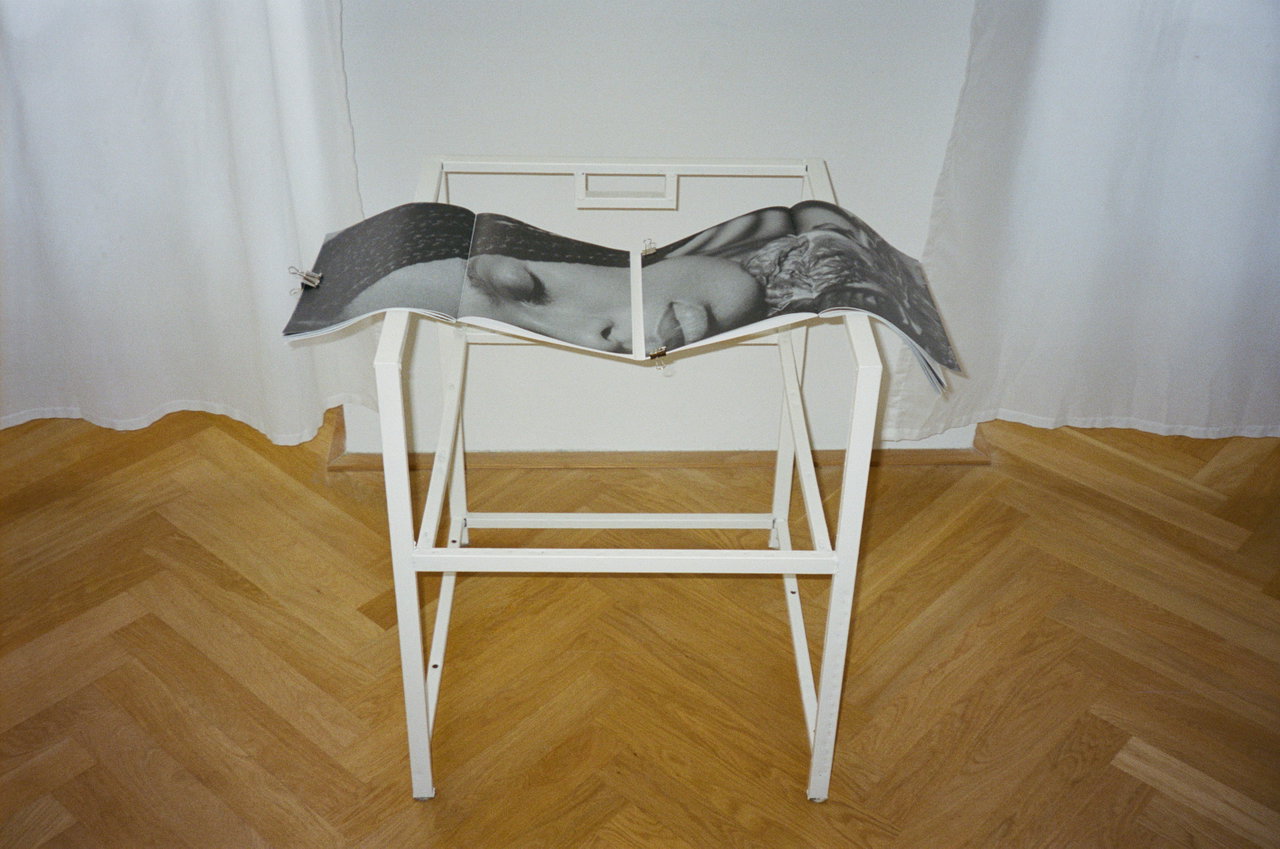
Together Apart — publication
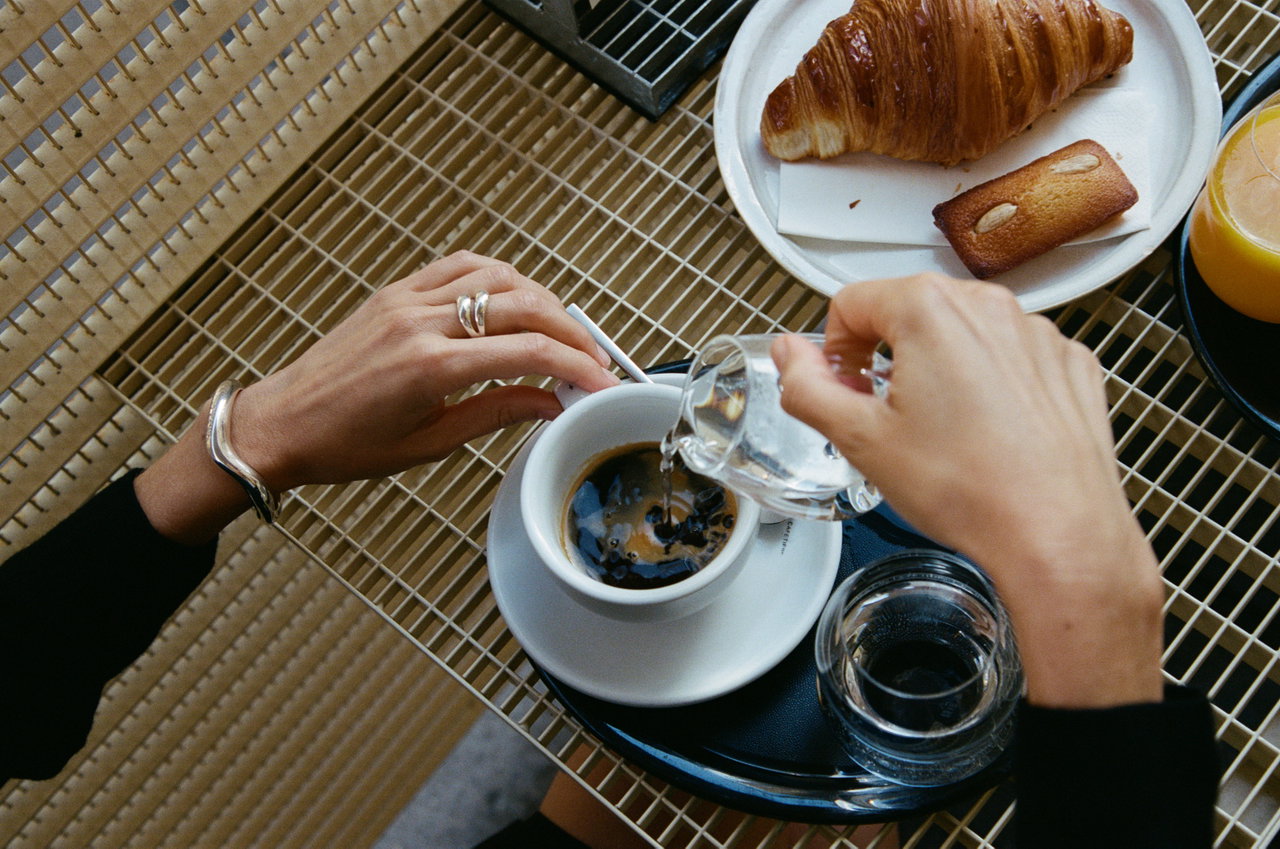
I live and work in Vienna’s 7th district, where my apartment also serves as my studio. A lot of my everyday life happens within this neighborhood, but I like to begin my mornings by leaving it behind and moving through the city.
One thing you notice quite quickly in Vienna is that people can be a little reserved — and sometimes, yes, a little grumpy. Don’t take it personally. I think it’s simply part of the Viennese character: people are direct, they don’t always feel the need to smile at strangers, and there is a certain dry humor to it. I’m still getting used to it myself. I wasn’t born and raised in Vienna but in Vorarlberg, on the other side of Austria, where the dialect, culture, and general way of interacting with people are quite different. So even after living here for a while, I sometimes still feel like a stranger.
My boyfriend and I often cycle into the 1st district for coffee. It’s a small ritual that creates a sense of movement before the day begins. One of my favorite stops is Cafetiére, although I like to change it up every other day. Coffee and a pastry, then a slow ride through the city.
From there, I usually make my way along Kohlmarkt towards Michaelerplatz. I love observing the architecture and people in this part of the city: the facades, the details, the rhythm of the buildings. Even the luxury store windows feel like carefully composed stage sets. One storefront I always find myself photographing is the historic Retti facade, designed by Hans Hollein, which I think is a small masterpiece of Viennese modernism.
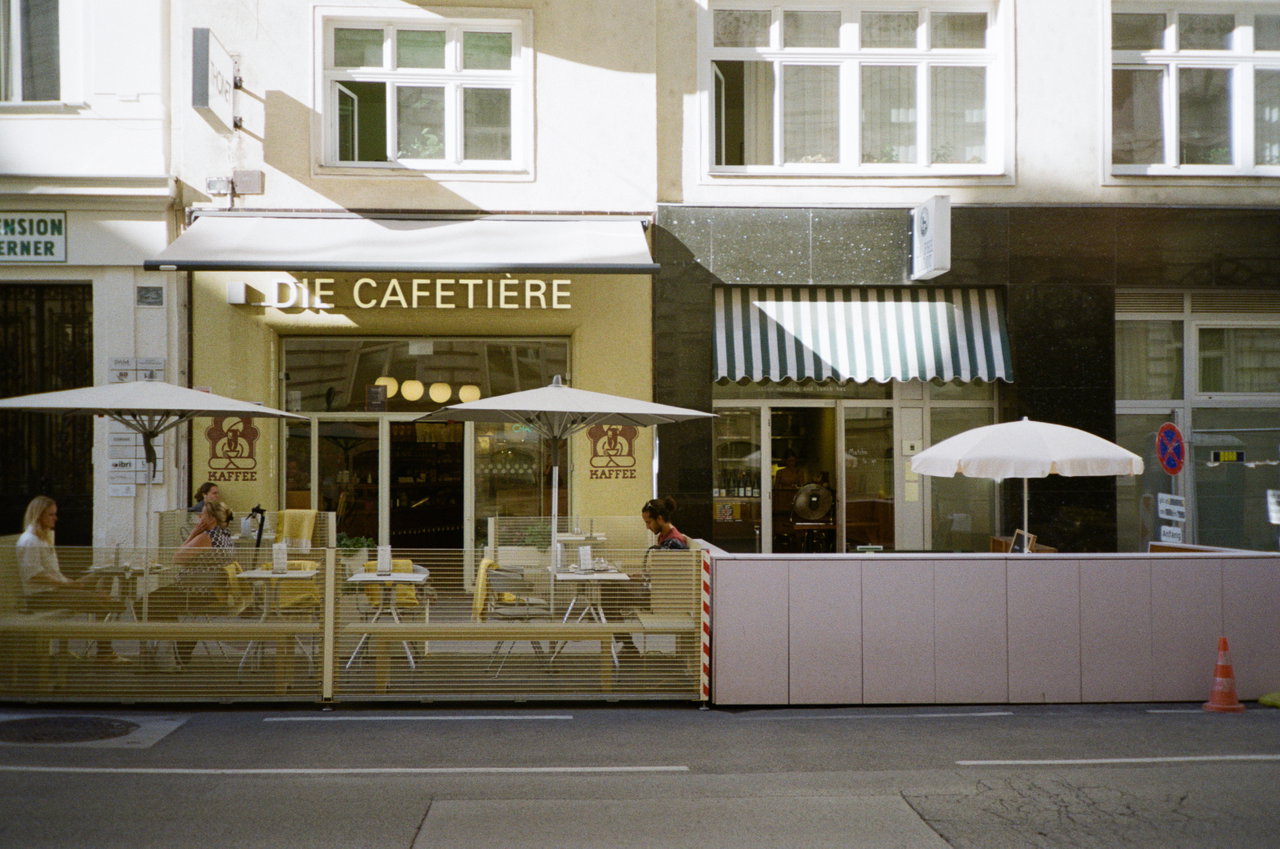
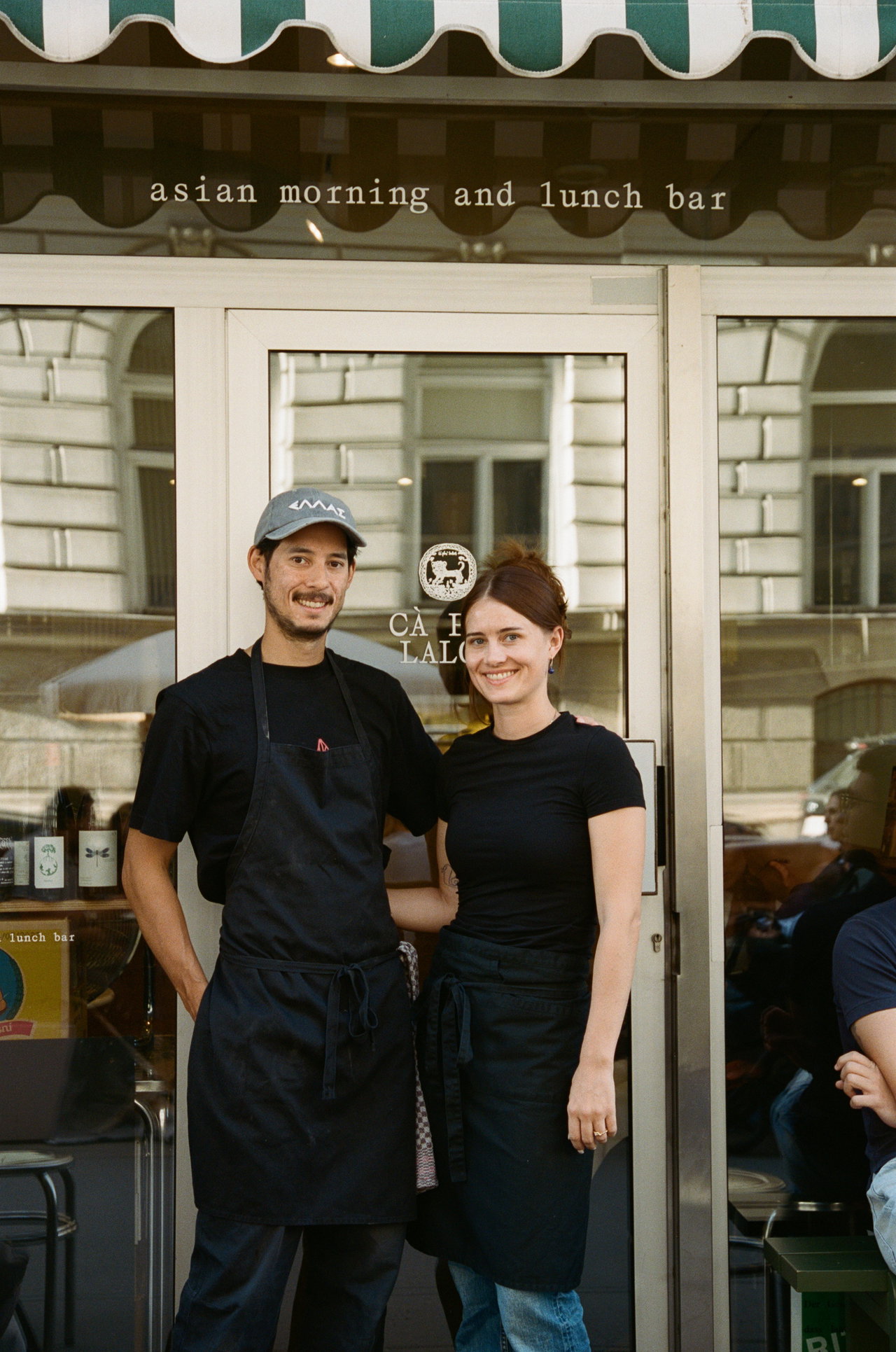
Cà Phê Lalot — Lukas and Viola the owners
MORNINGS IN THE NEIGHBORHOOD
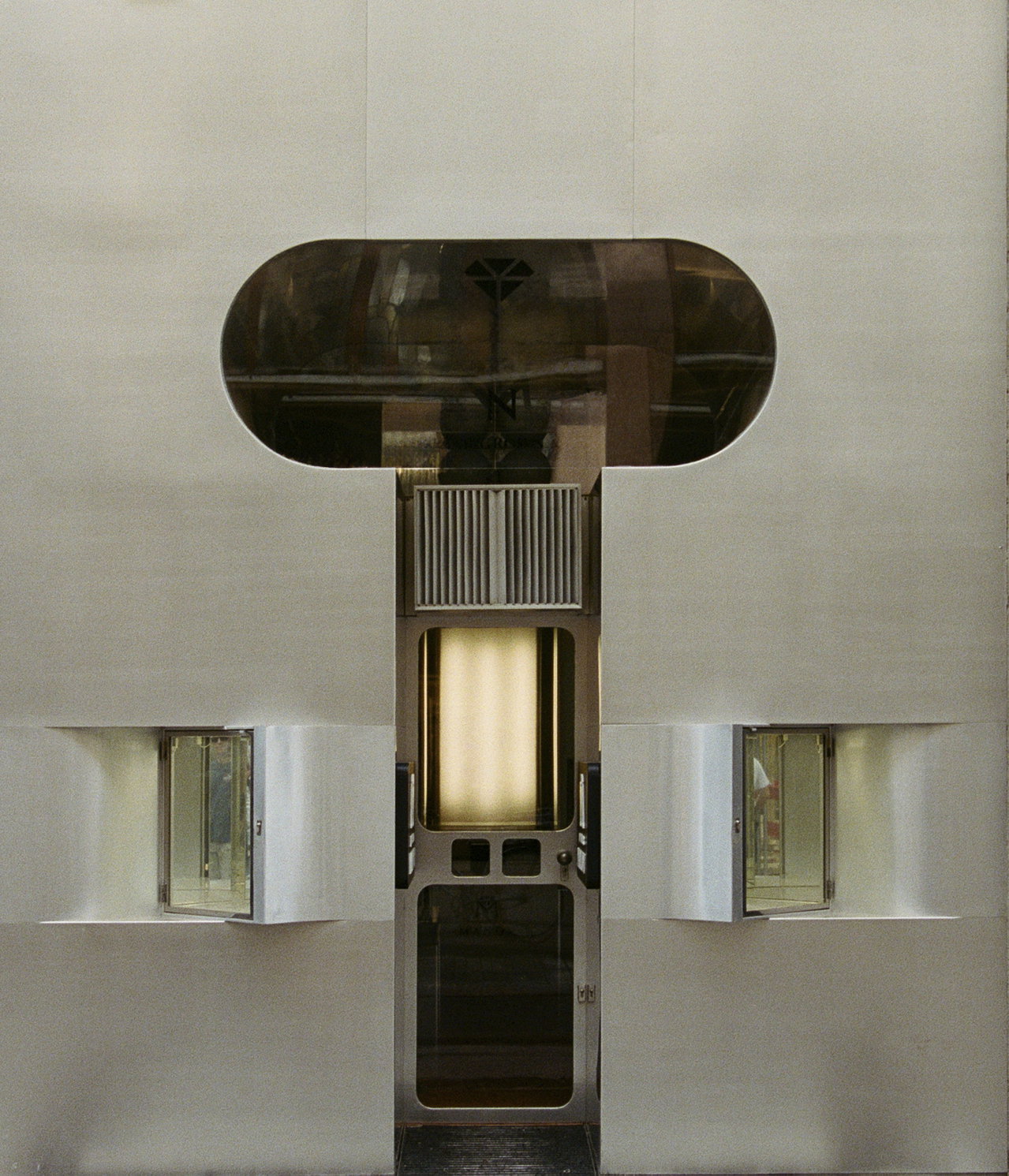
Retti facade designed by Hans Hollein
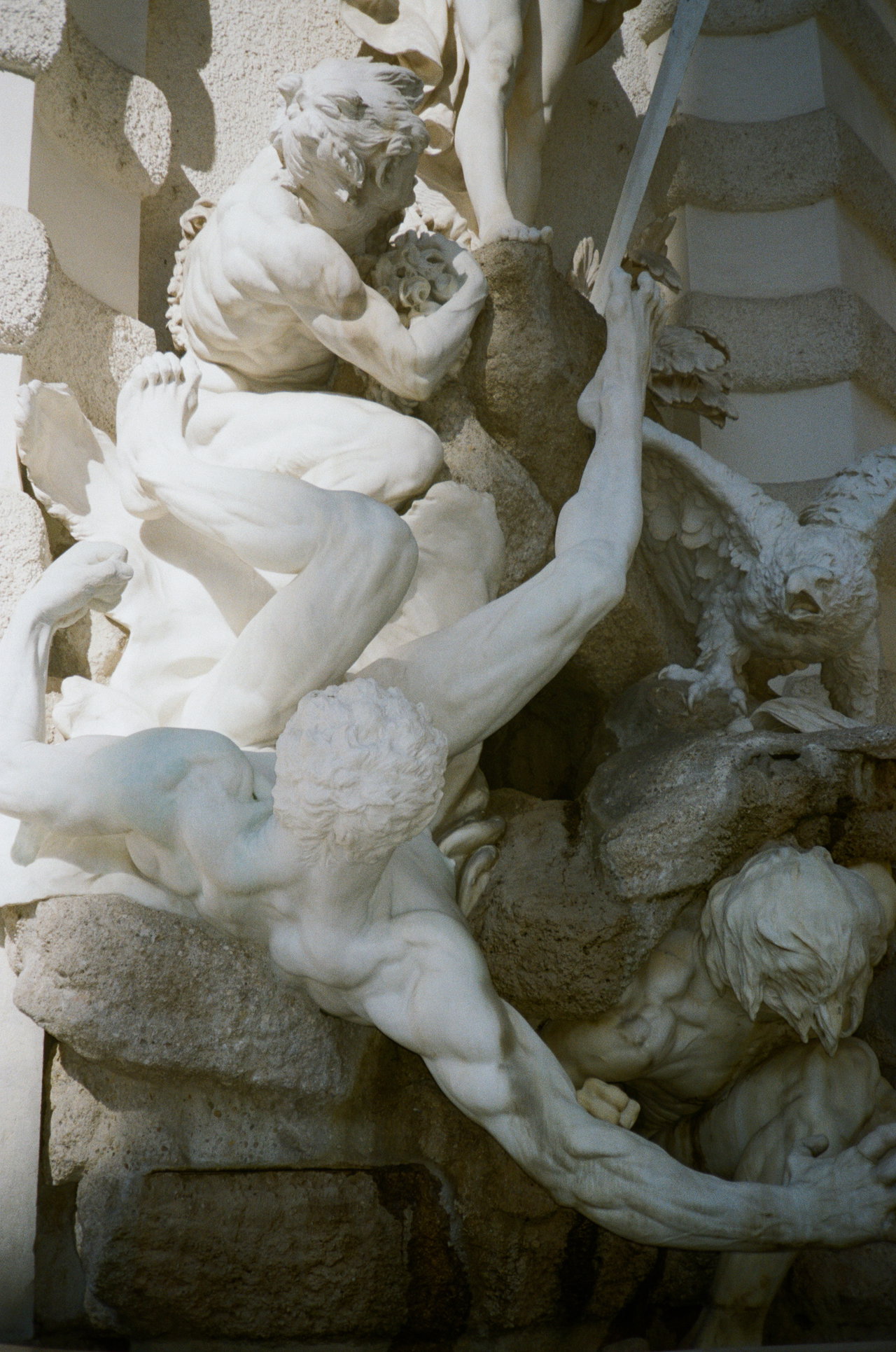
Passing through Michaelerplatz, I often pause to watch the constant flow of people moving through the square. The sculptures and fountain figures here are subjects I return to again and again with my camera. Every time I look at them, I seem to notice something different.
In the mornings, I also often see the Lipizzaner horses being led through the streets in their way to the park. There is something very Viennese about suddenly finding yourself sharing the street with these beautiful white horses.
Another tip when walking through Vienna is to look up. There are so many details on the facades of the buildings that you can easily miss when you’re simply walking from one place to another. I still discover new things even on buildings I have passed hundreds of times: figurines, statues, ornaments, drawings, little details hidden above eye level. I think Vienna rewards looking slowly.
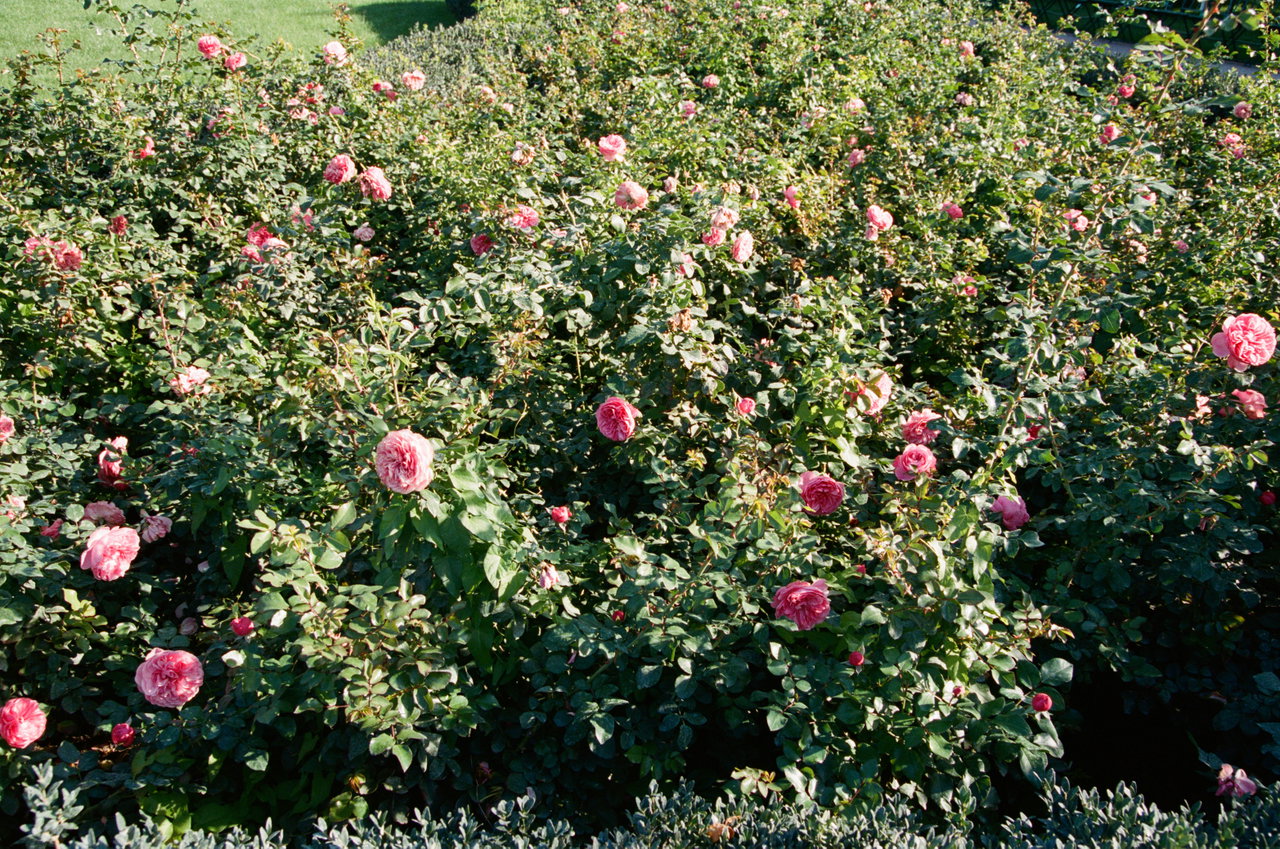
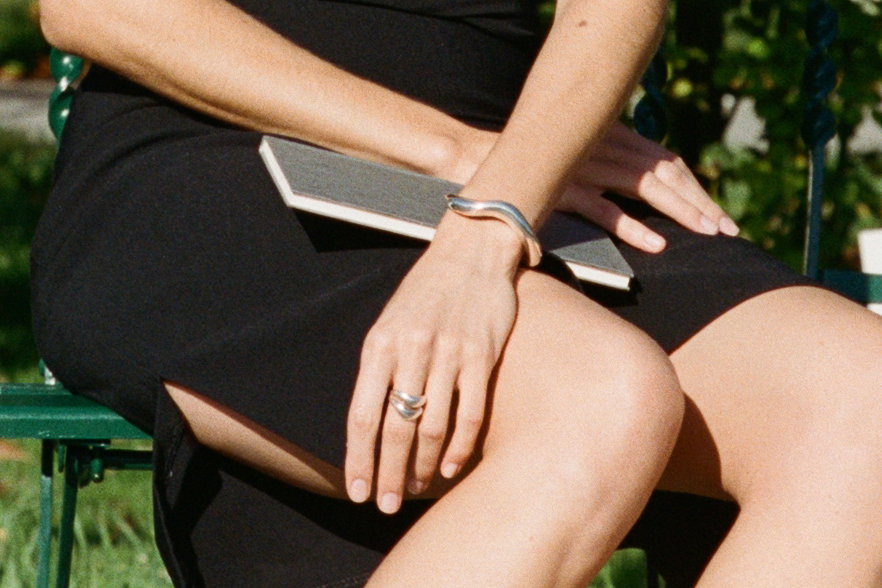
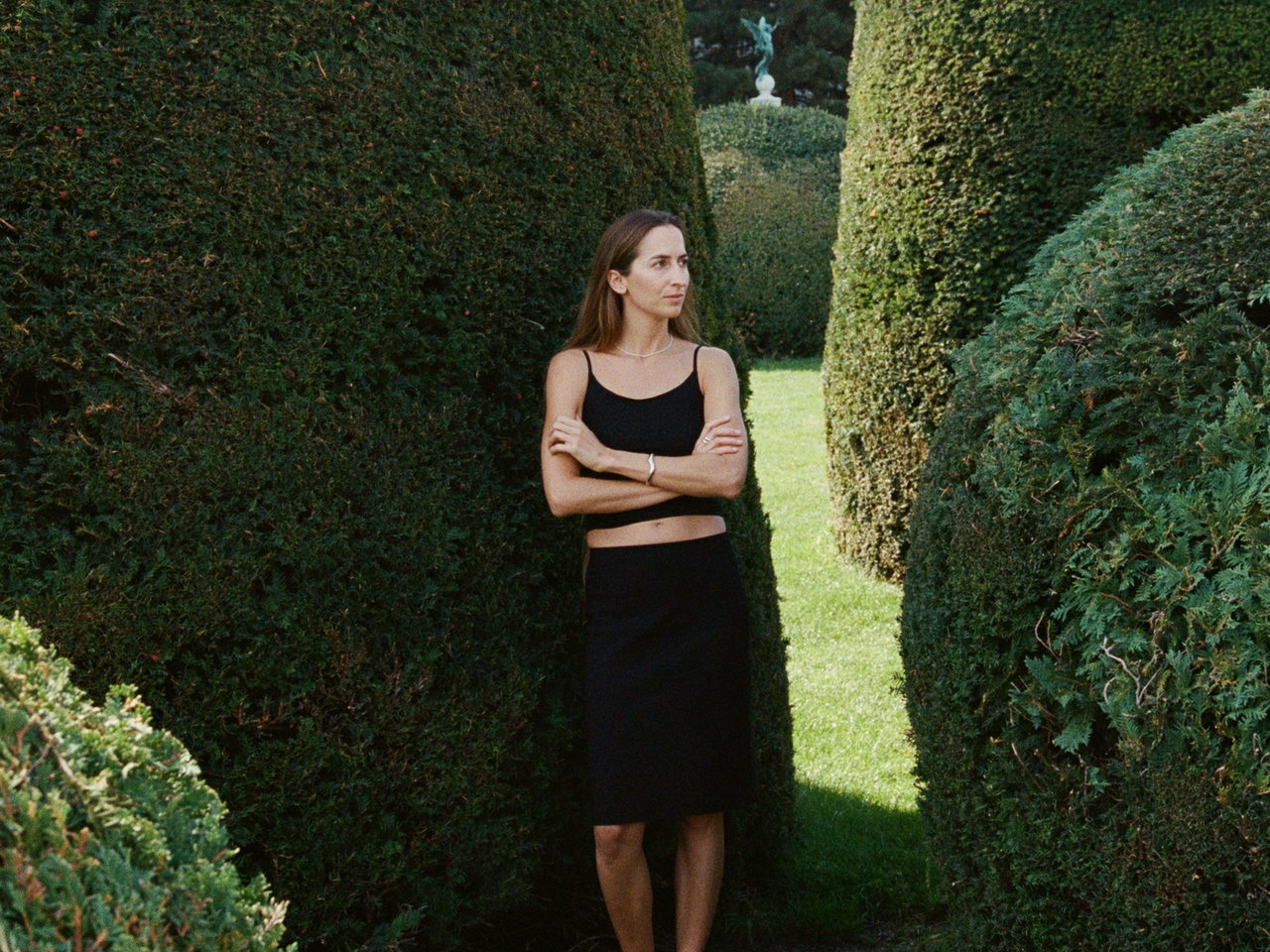
A little further on is Volksgarten, one of my favorite places in the city. In the mornings, groups gather here to practice Qi Gong, and I often see women performing traditional fan dances in front of the Theseus Temple. The Qi Gong sessions are free and open to everyone, so even people passing through on their way to work can simply join in. I like to sit between the roses, read a few pages of a book, and simply observe before starting my day.
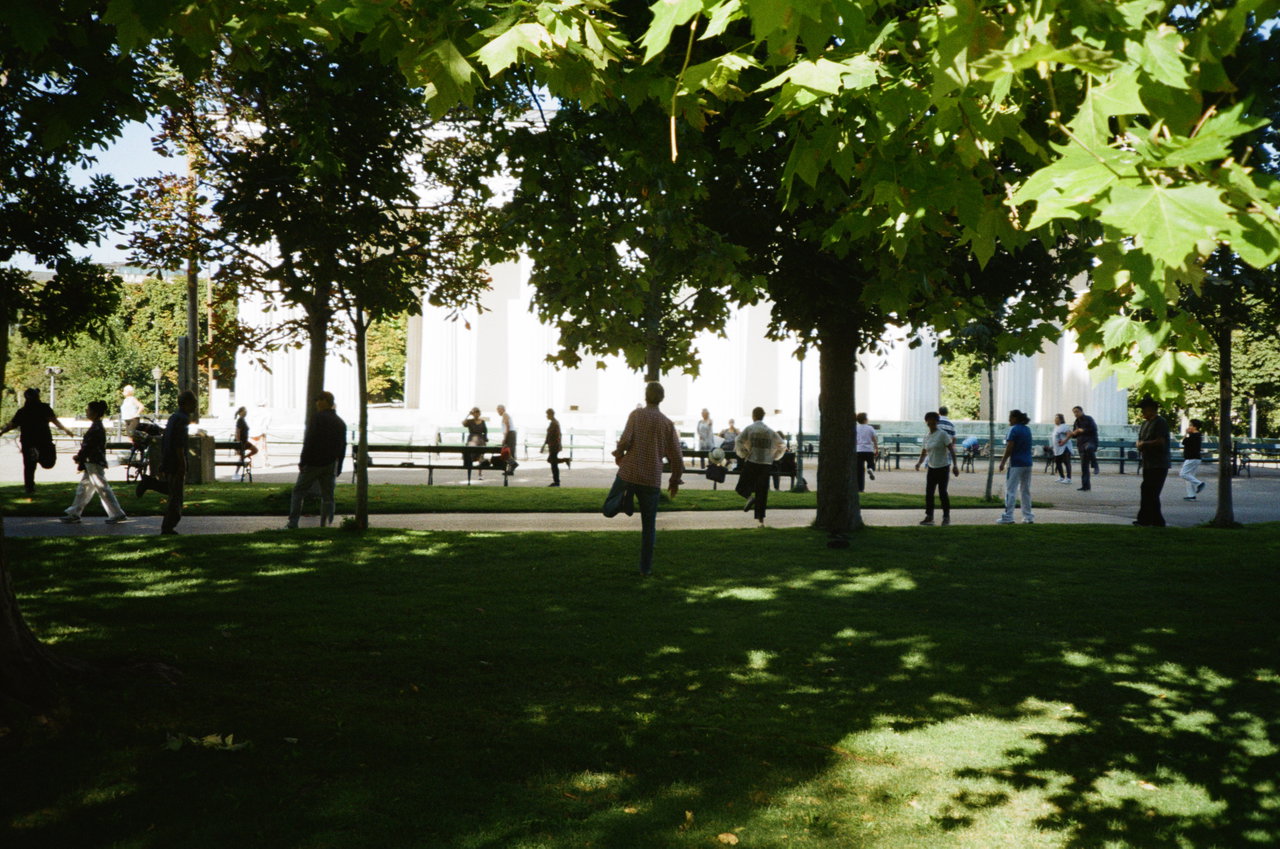
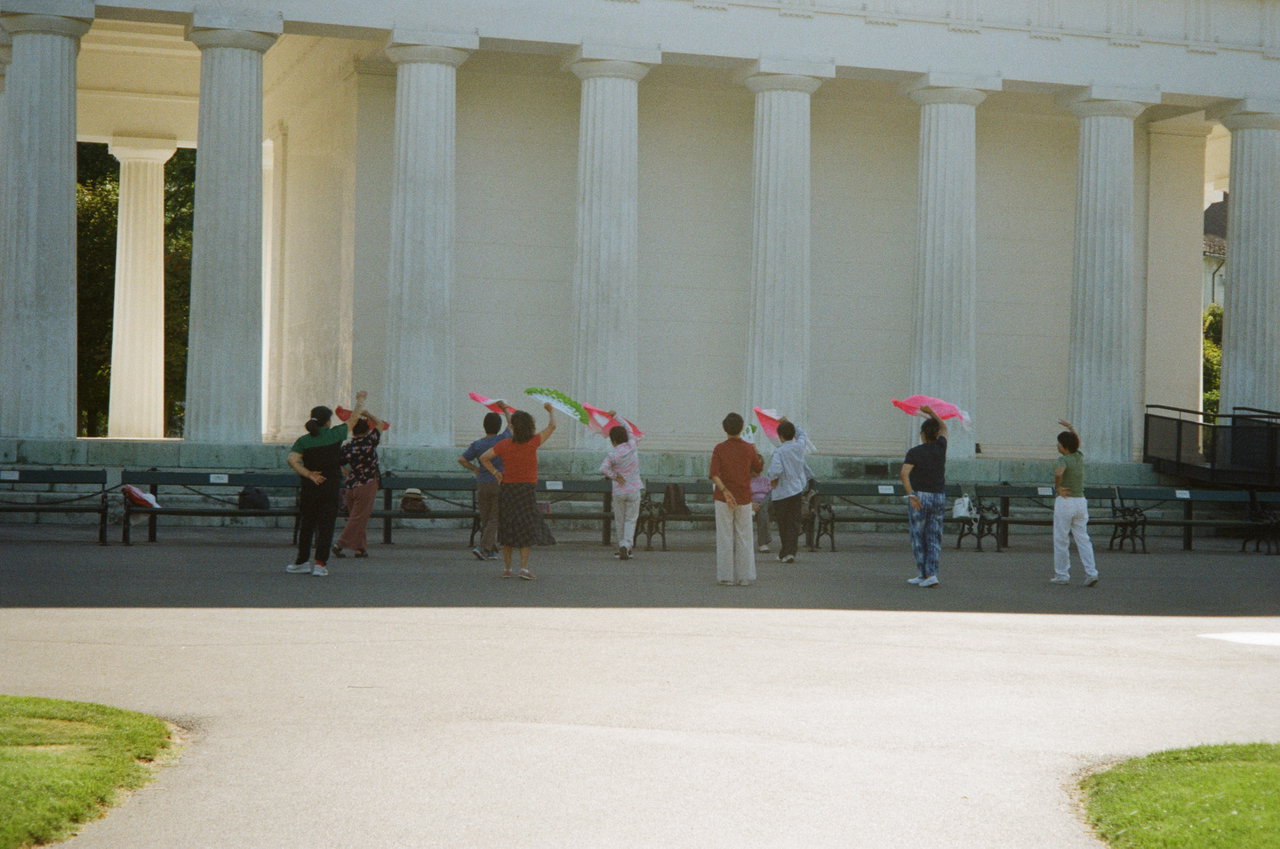
Theseus Temple at Volksgarten around 9am
Rosegarden at Volksgarten
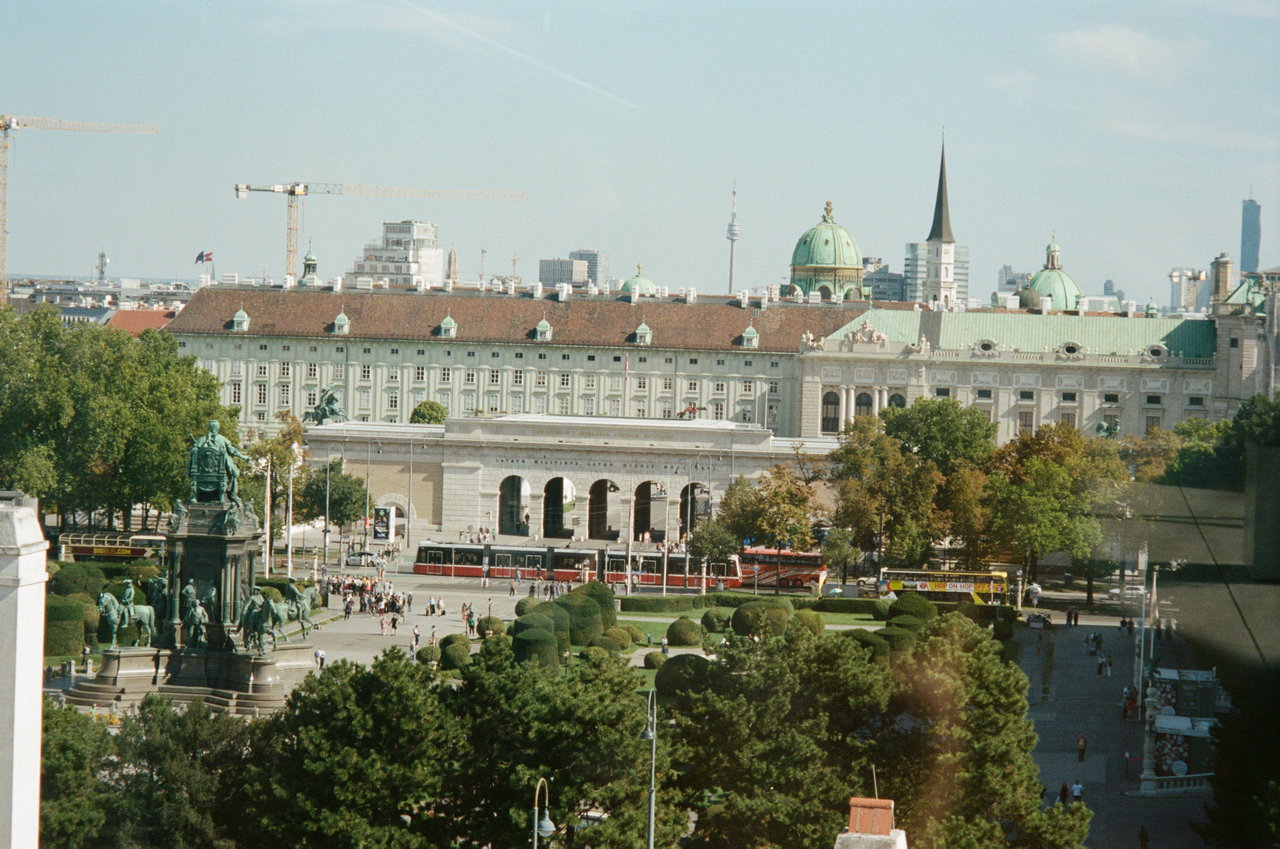
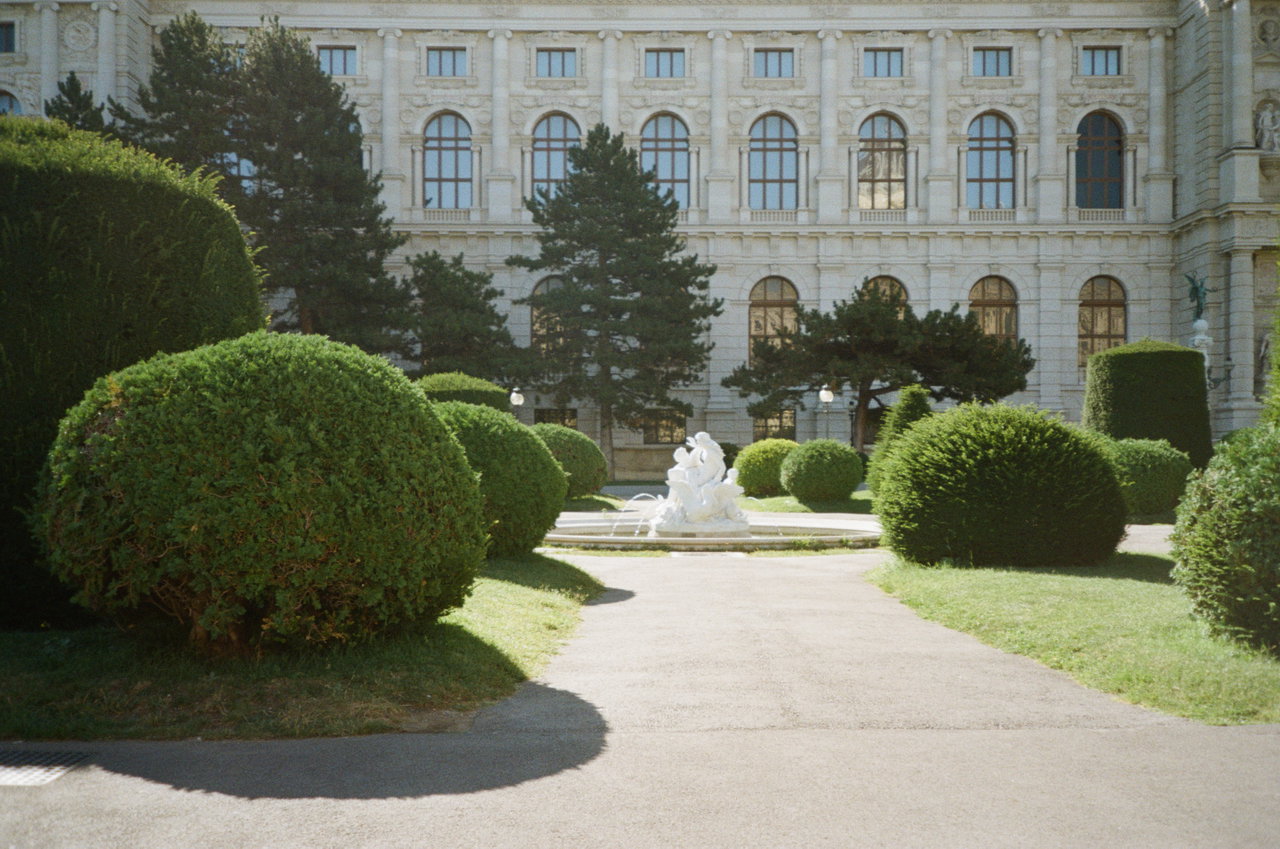
Between the museums — Museum of Art History and Museum of Natural History
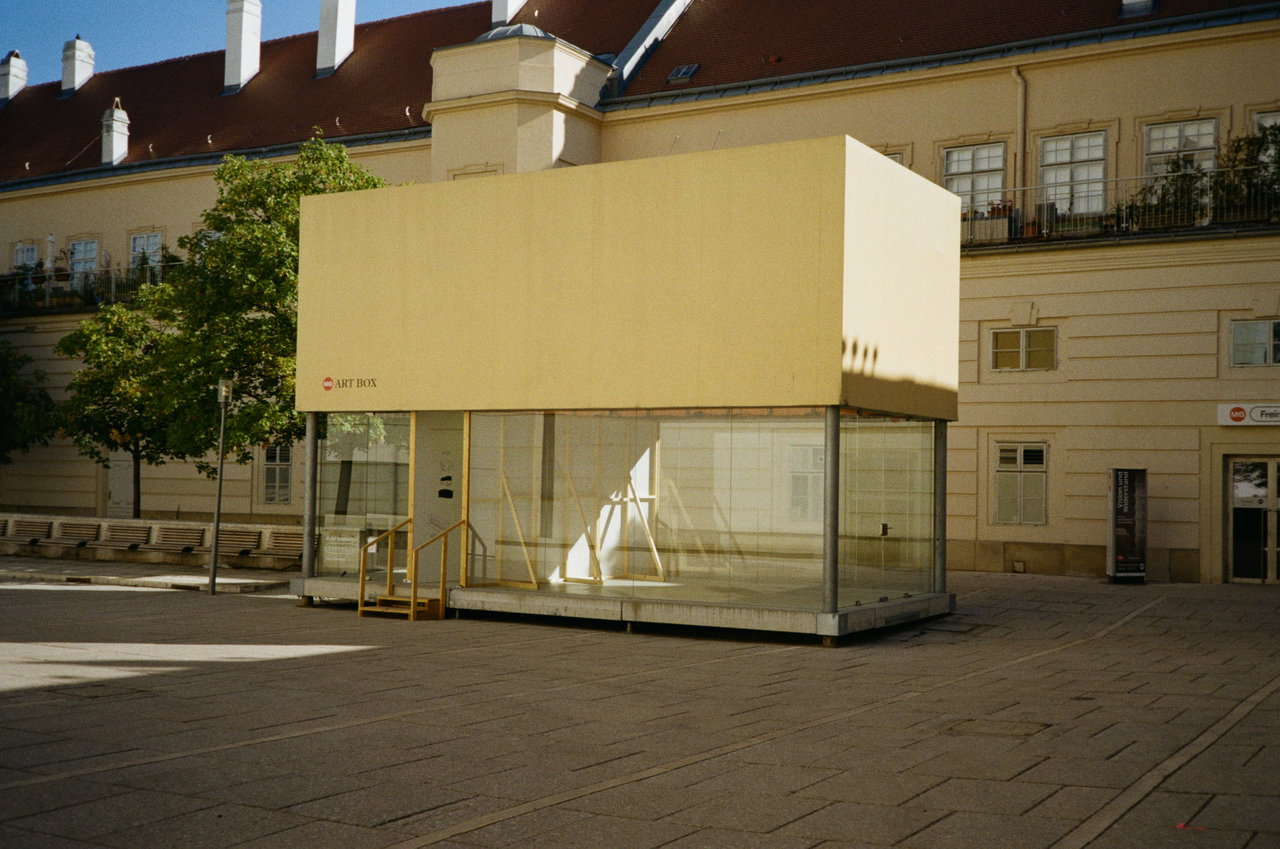
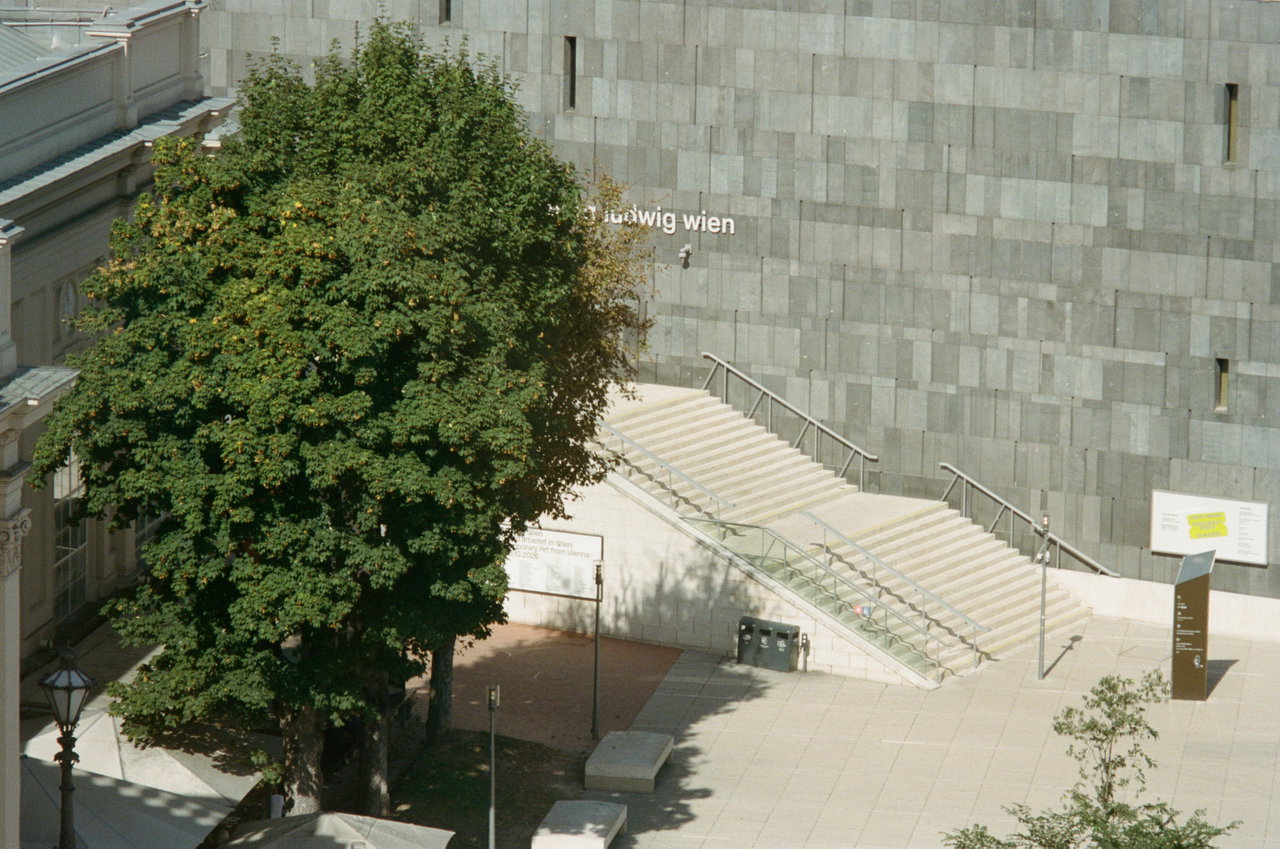
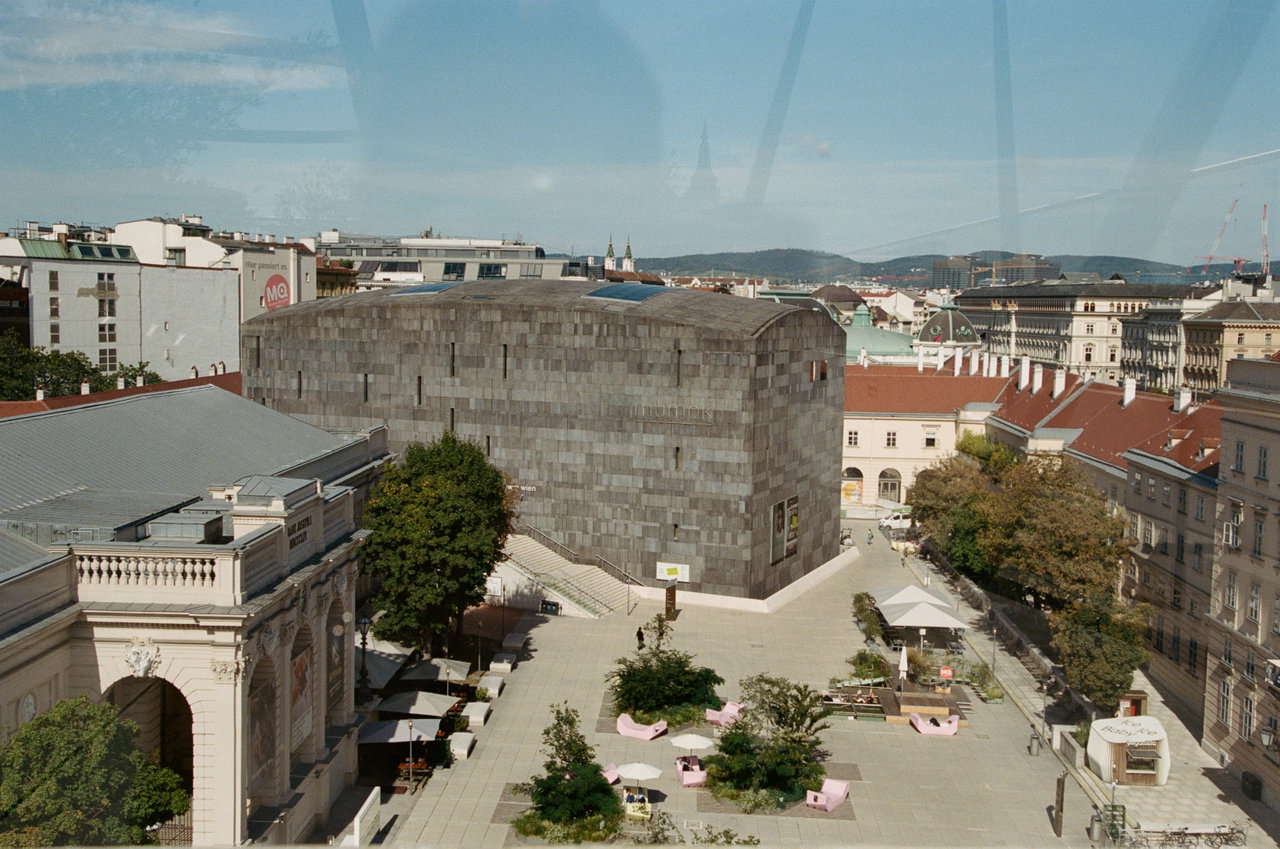
Artbox with changing exhibitions / MUMOK view from the top of Leopold Museum called “Libelle”
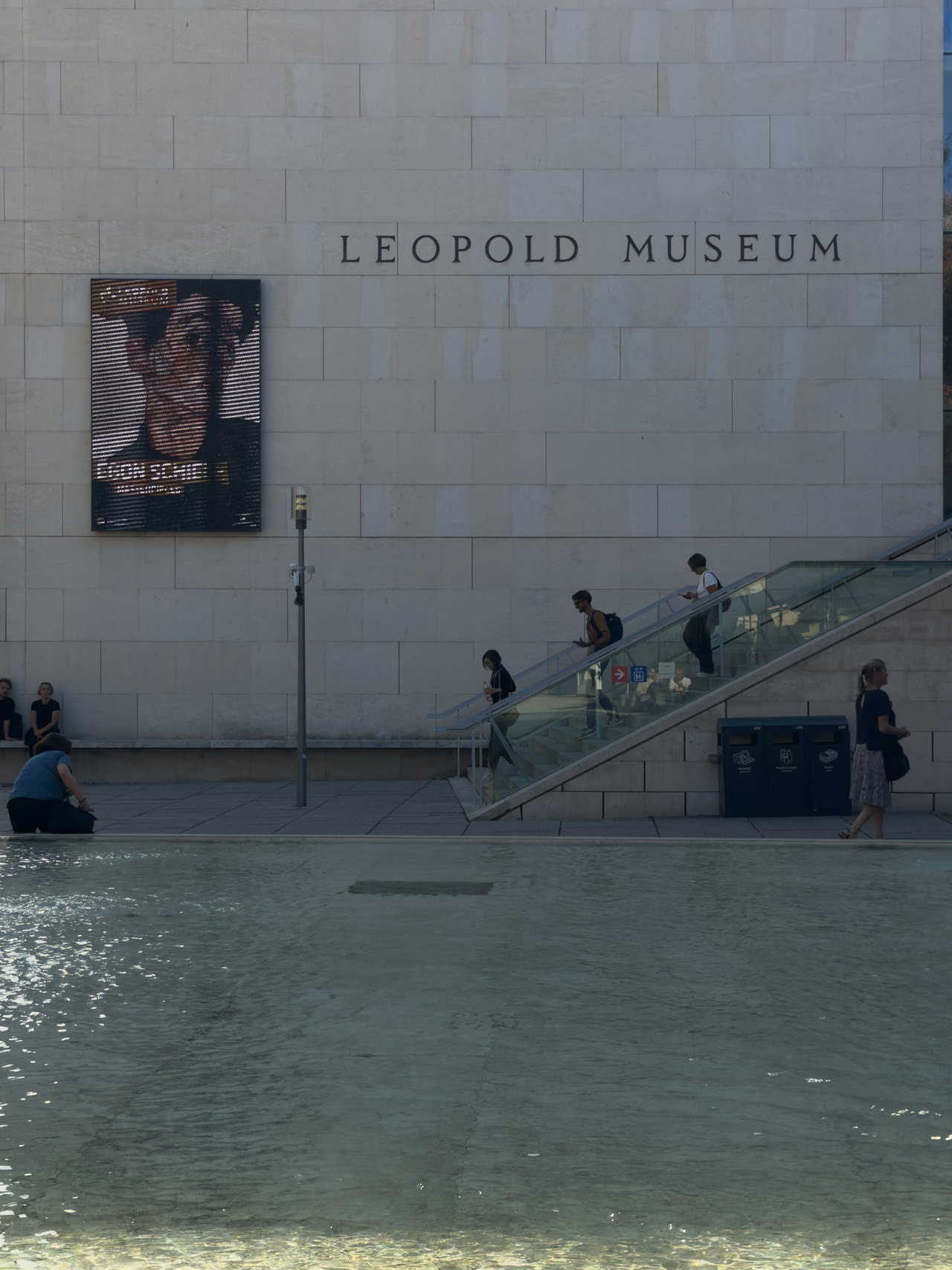
From there, I often continue towards the MuseumsQuartier, Vienna’s cultural heart. I regularly visit Walther König bookstore and move between institutions such as the Leopold Museum, mumok, Kunsthalle Wein, and Architekturzentrum Wein.
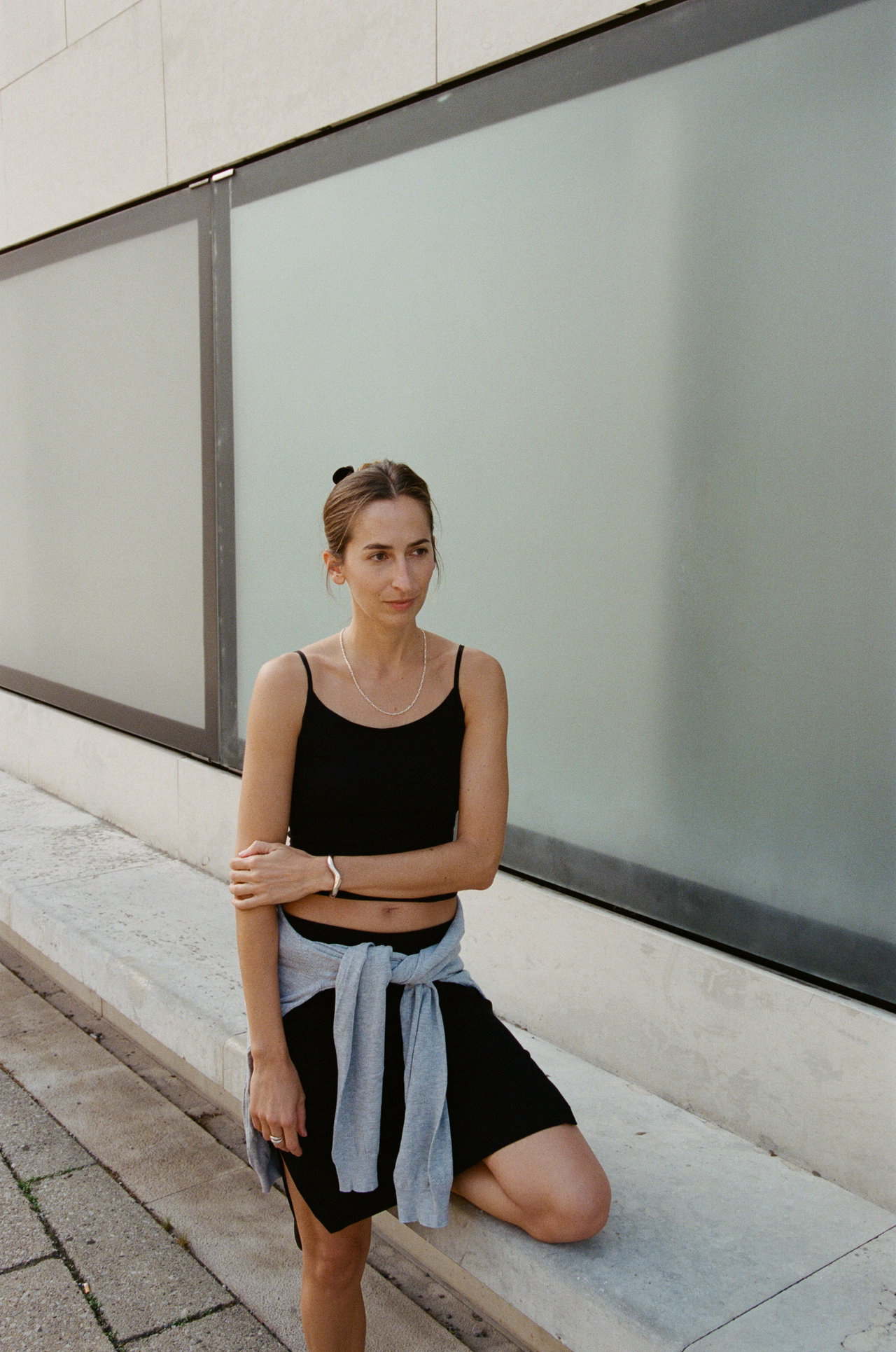
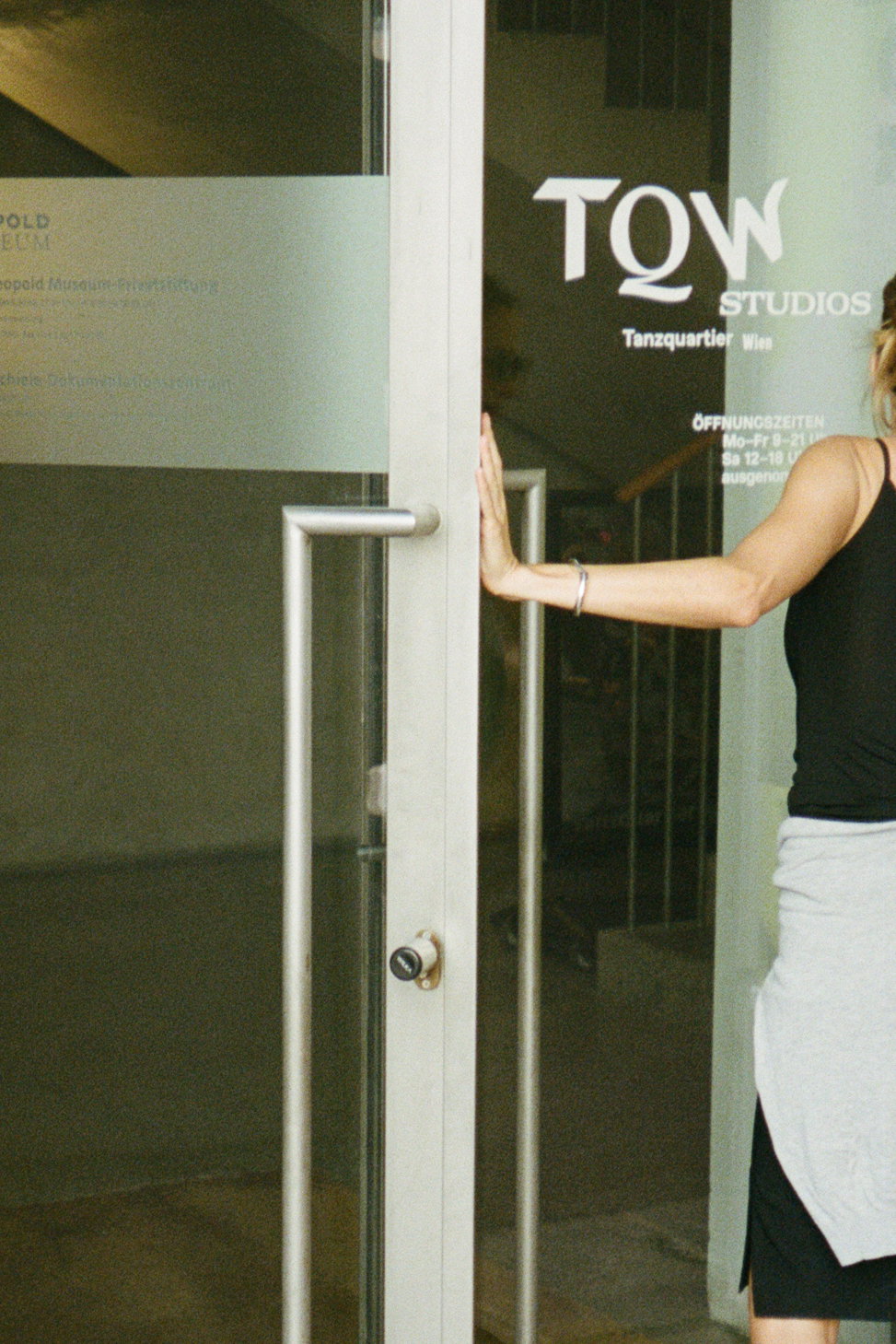
The place I return to most frequently, however, is Tanzquartier Wein. Its workshops and performance programs bring together dancers, choreographers, and artists from a wide range of disciplines. Dance and performance have always been important influences on my own artistic practice, and Tanzquartier remains one of my favorite places to encounter new ideas and ways of working.
AFTERNOONS AMONGST NATURE
In front of Leopold Museum —
next to Tanzquartier
SECESSION
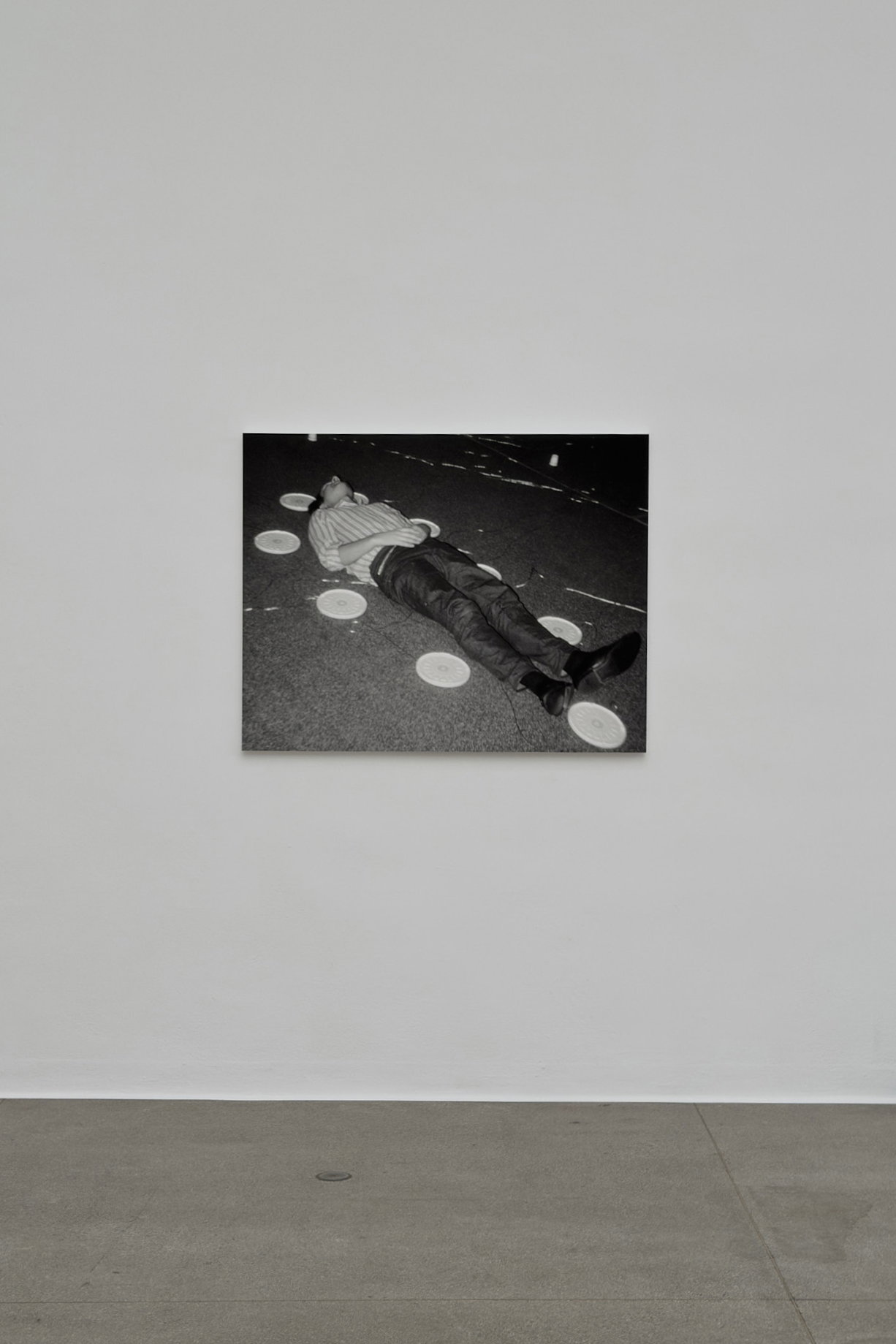
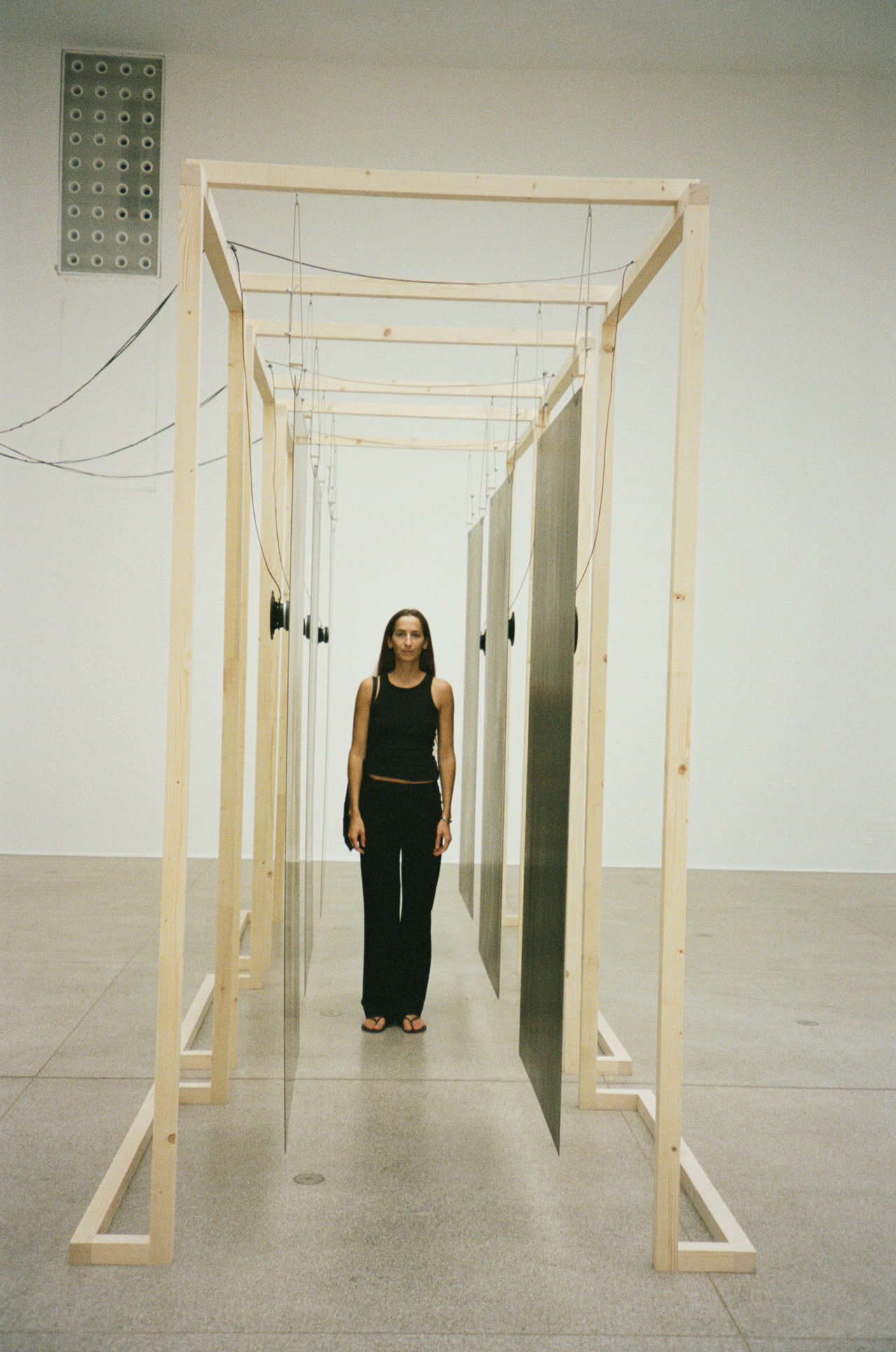
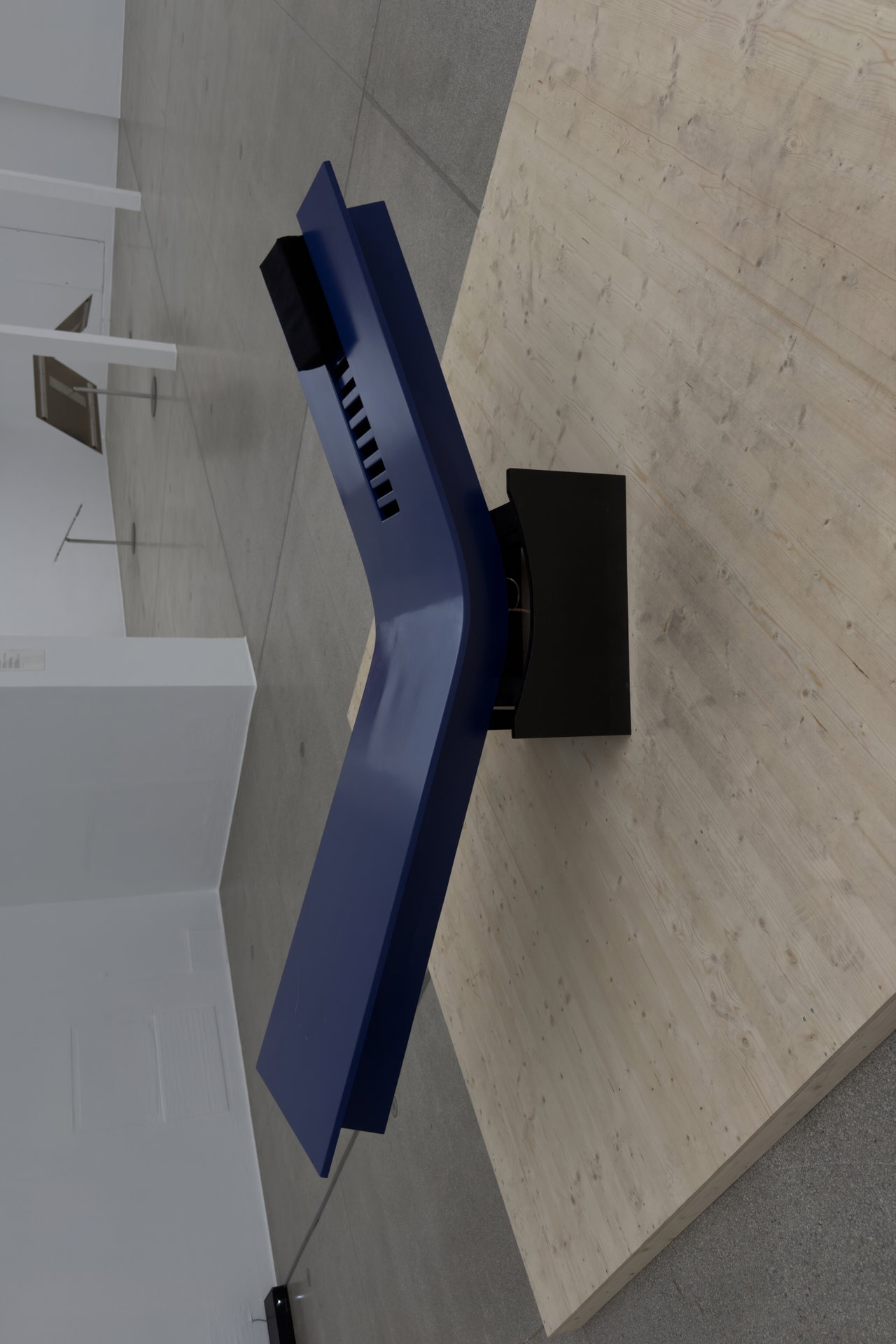
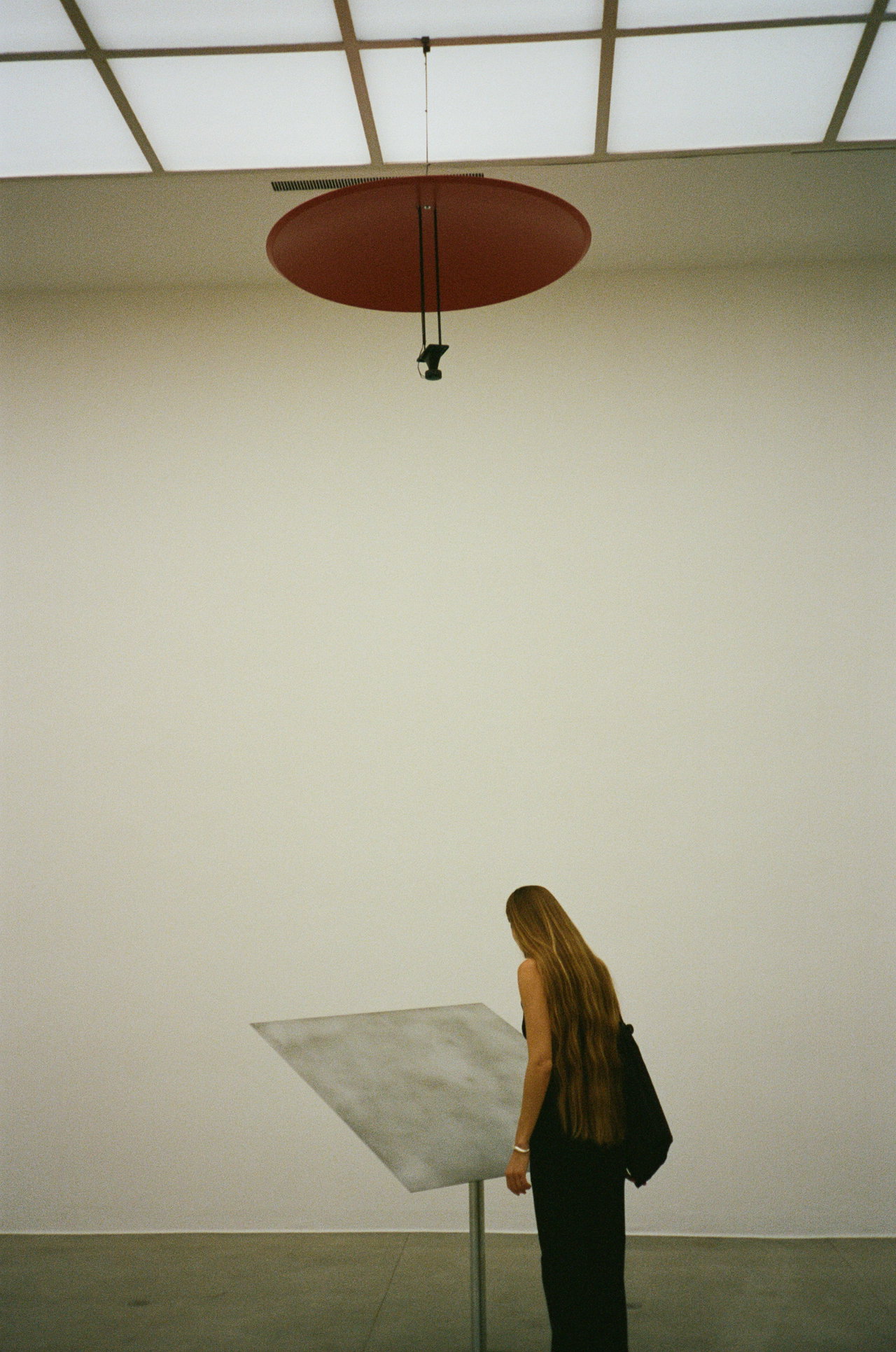
Bernhard Leitner “Soundscapes” at Secession
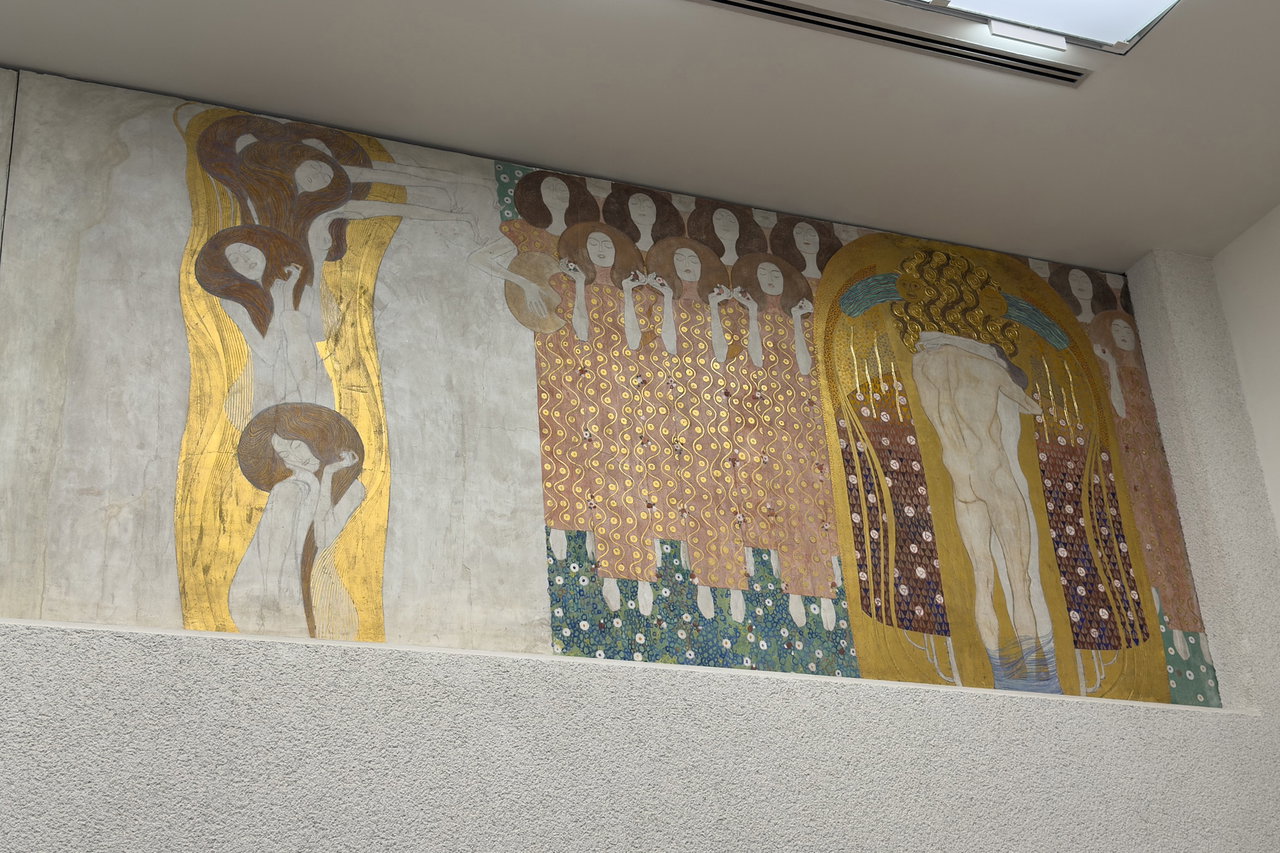
Gustav Klimt’s Beethoven Frieze
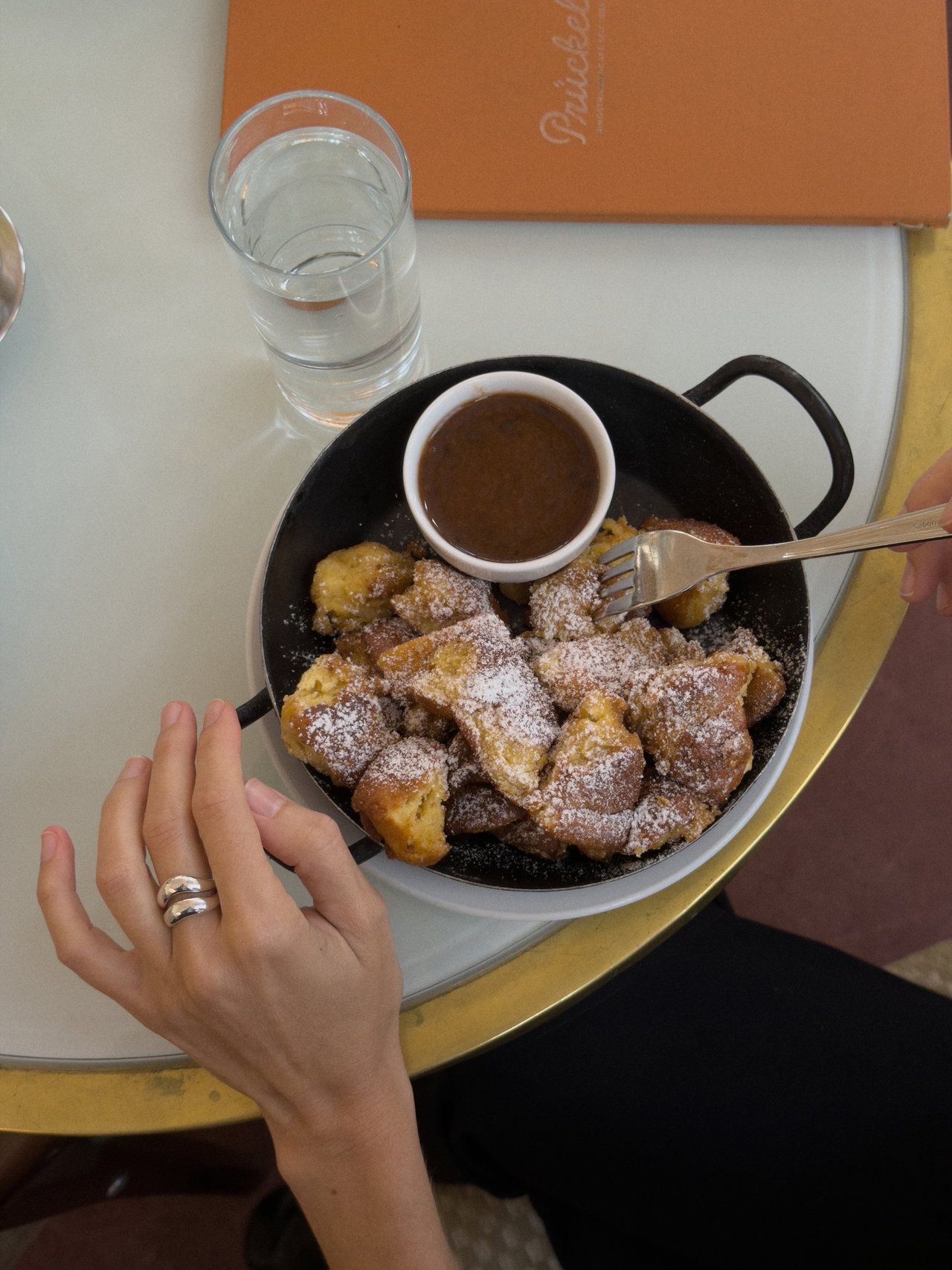
For lunch, or simply a sweet pause, I sometimes stop at Cafe Prückel for Kaiserschmarren or Ei im Glas. Just across the street is the MAK - Museum of Applied Arts, whose collection brings together design, architecture, decorative arts, and contemporary artistic interventions. I love the way the museum connects Vienna’s history of craftsmanship with its contemporary design culture.
Later in the afternoon, I might stop by Caffé vom See. It is more of a weekend ritual for me: on Saturdays, I often go there after visiting the farmers’ market at Kettenbrückengasse. From there, I might continue to the Secession. Its exhibition program consistently surprises me, and the building itself is one of Vienna’s great architectural icons.
At the moment, the Secession is showing Bernhard Leitner’s SOUNDSPACESCULPTURE. Leitner is and Austrian artist who spent many years living and working in New York, and his work explores sound as a material for shaping and transforming space. The exhibition feels particularly interesting to me because it asks you to experience sound physically, rather than simply listen to it.
A visit to the Secession wouldn’t feel complete without going downstairs to see Gustav Klimt’s Beethoven Frieze.
VILLA BEER
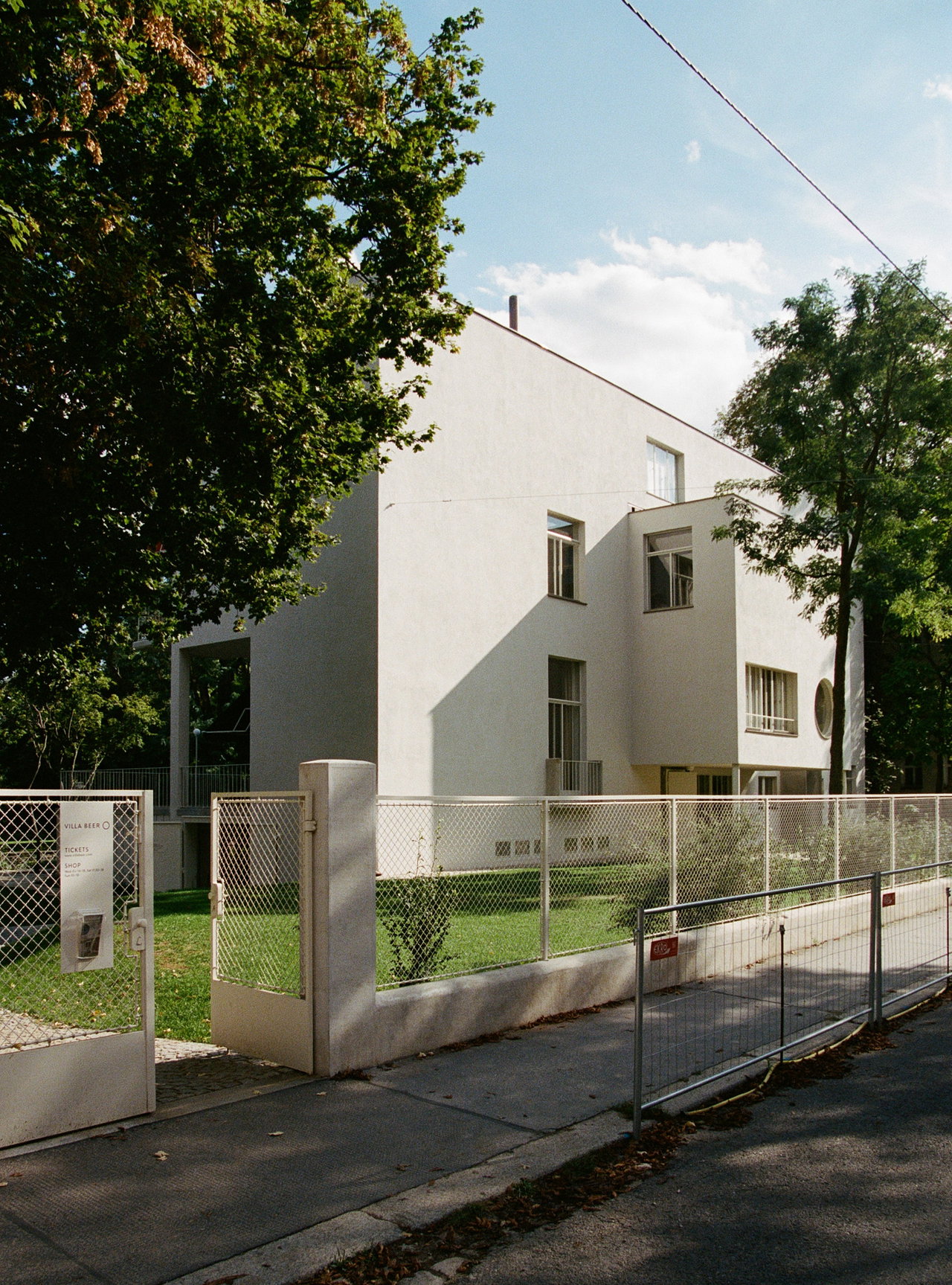
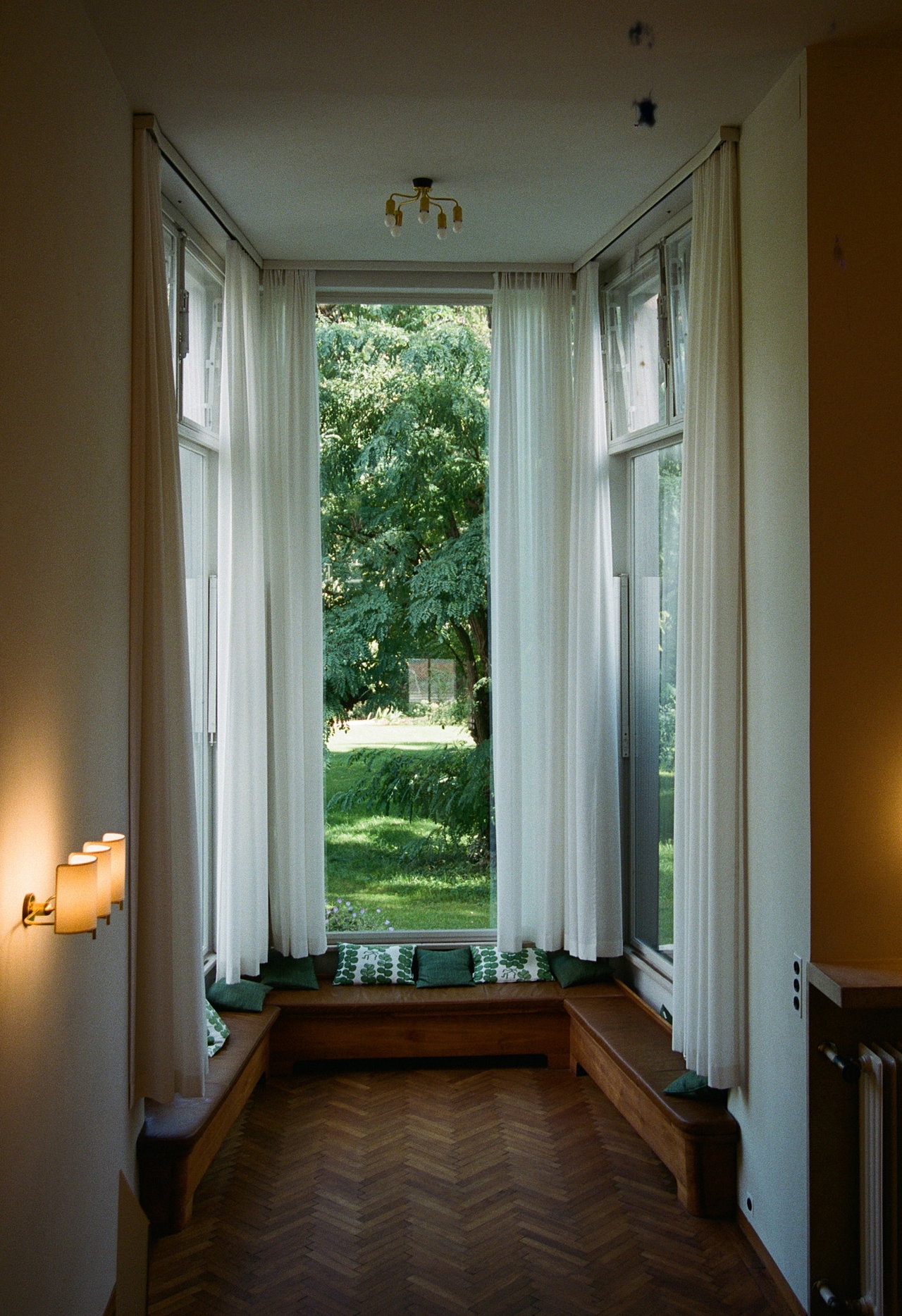
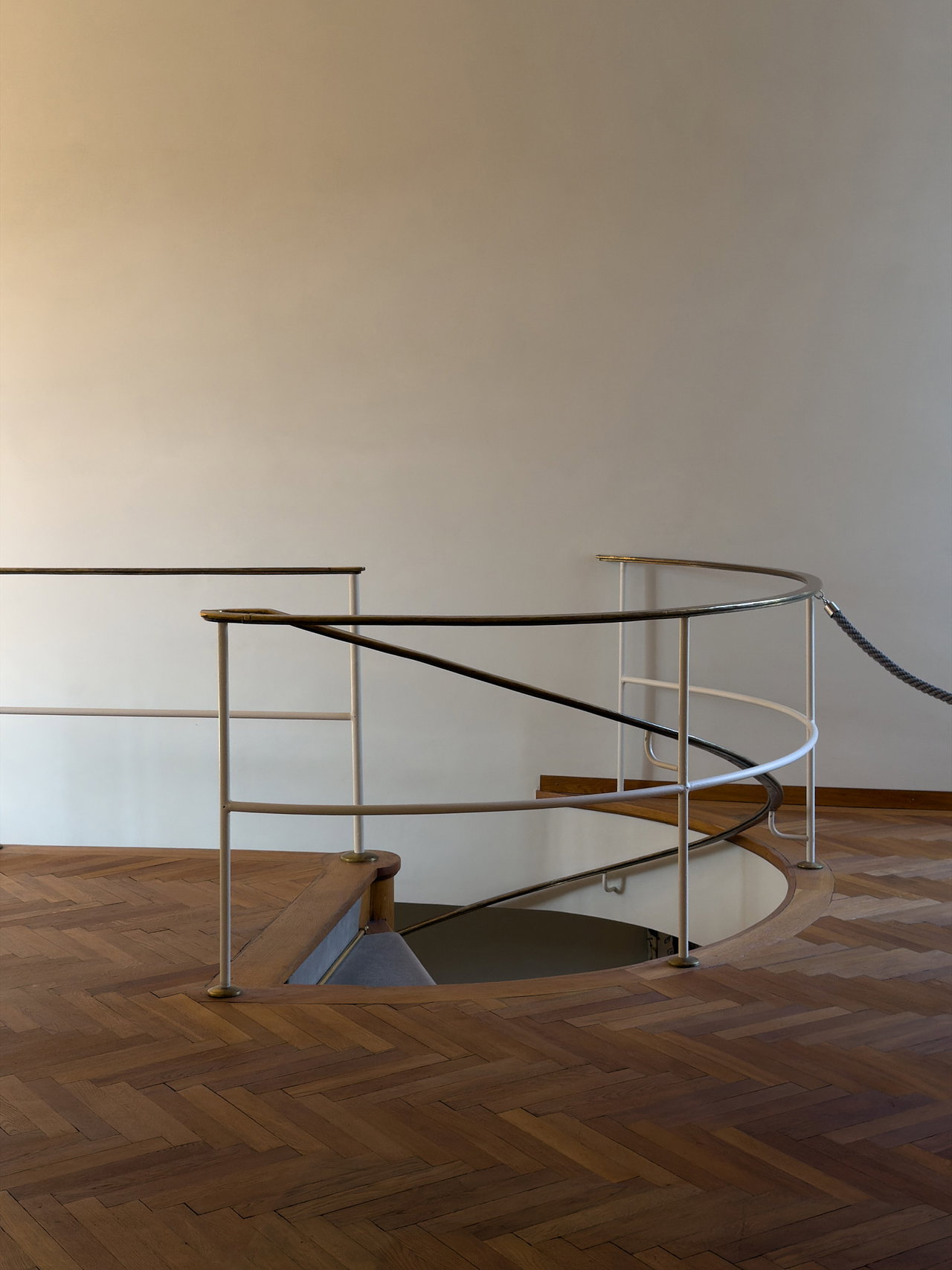
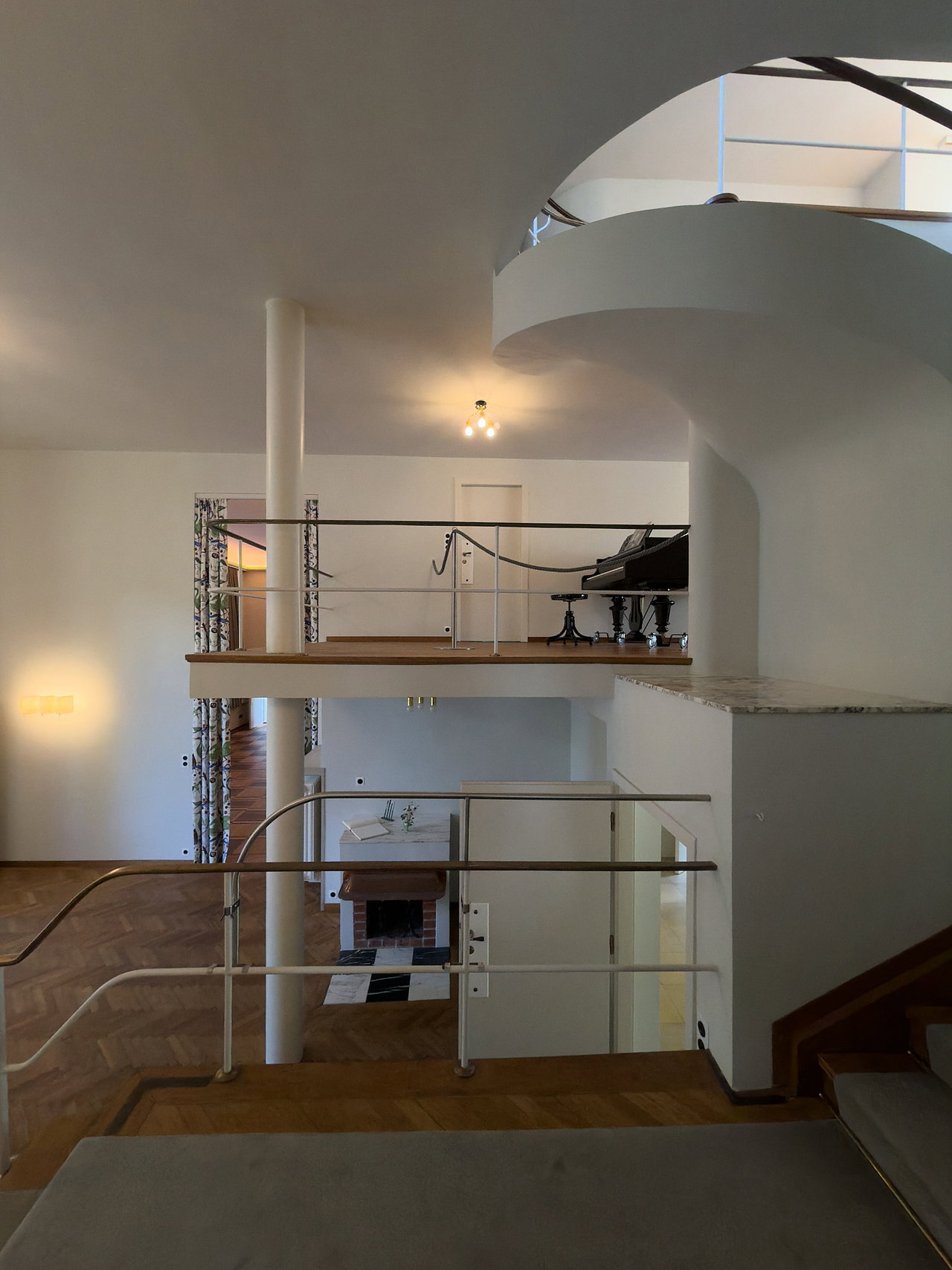
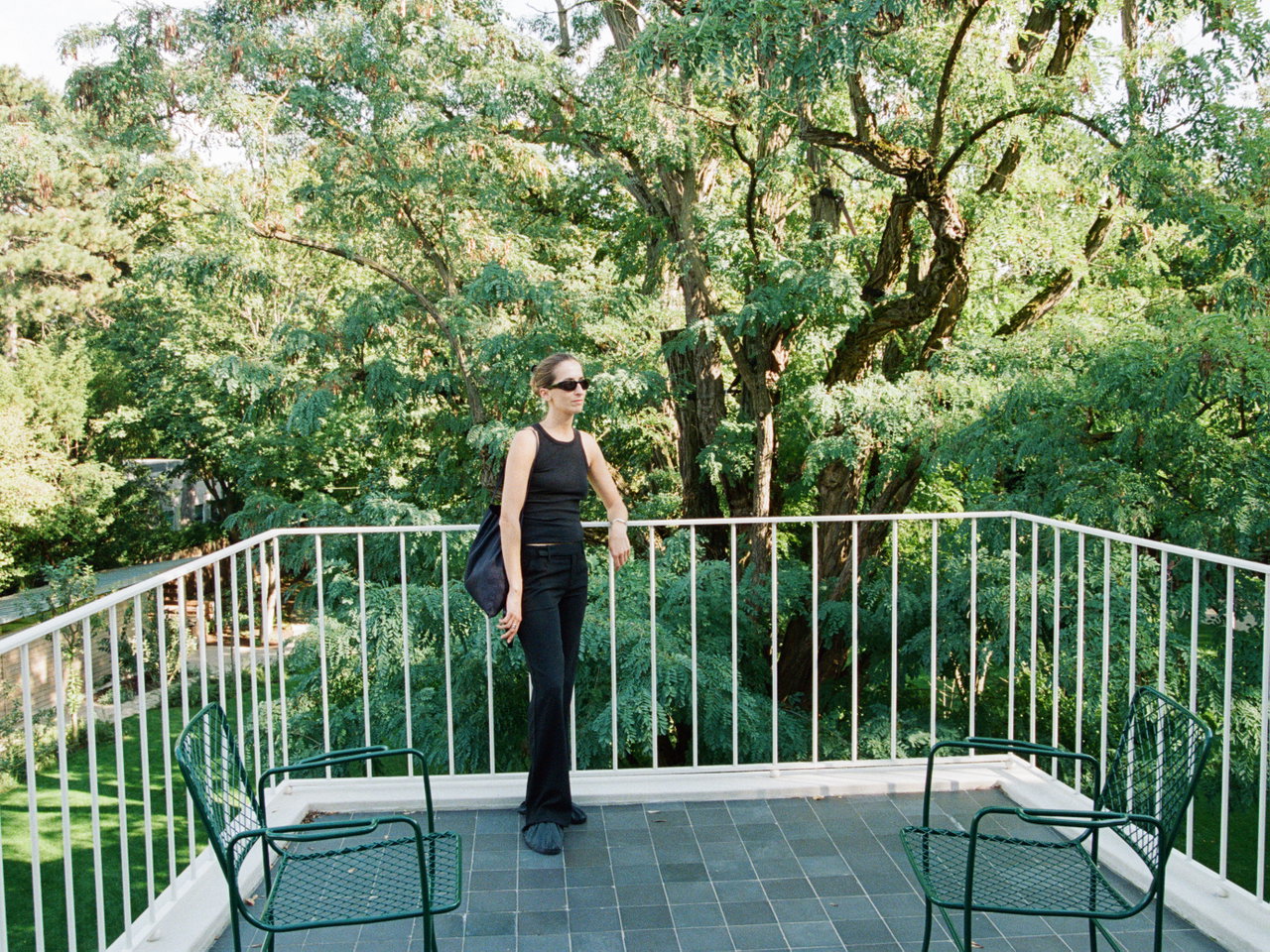
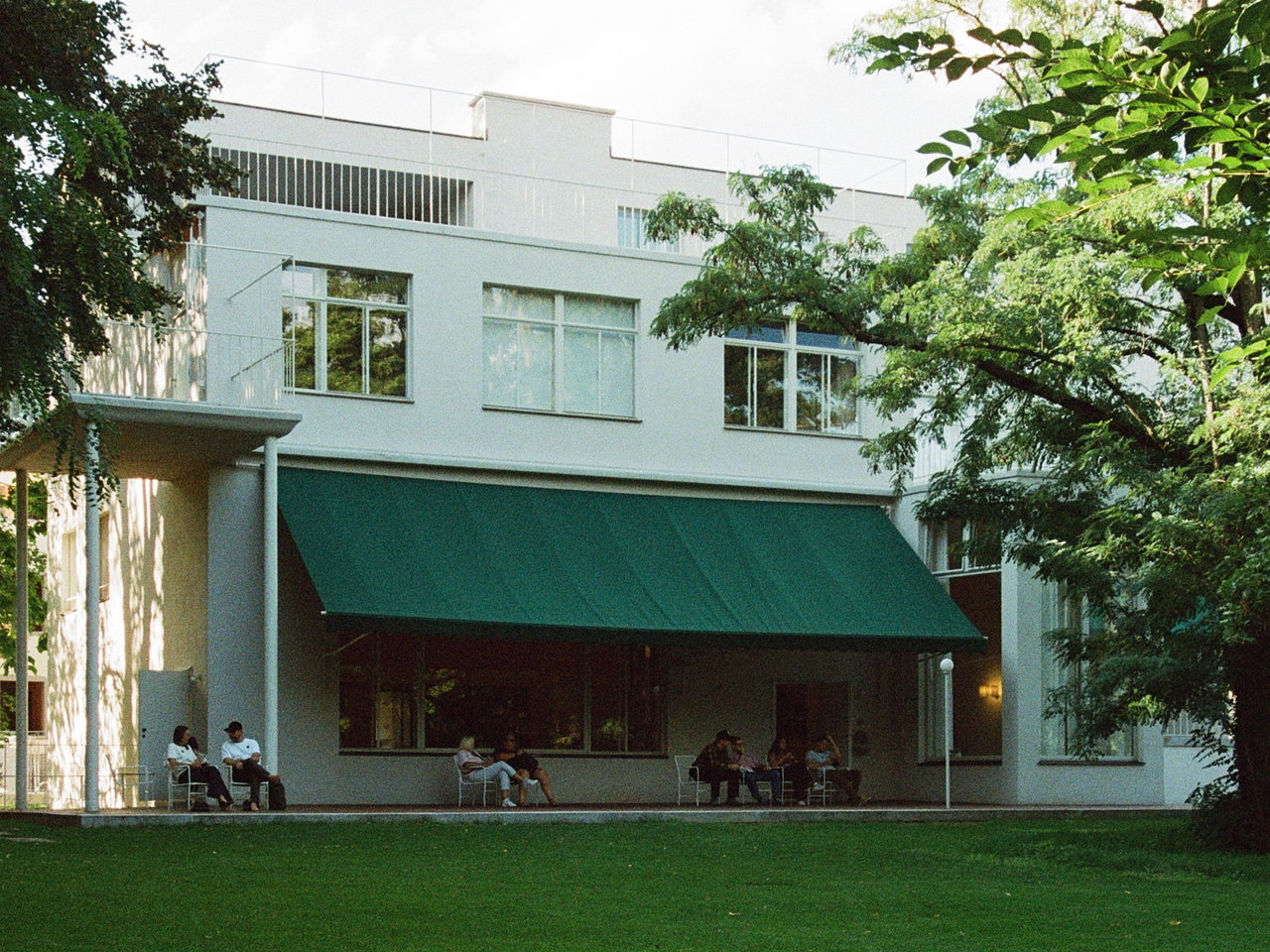
Another recent favorite is Villa Beer. Originally designed by Josef Frank in the late 1920s, the villa has undergone an extensive restoration and recently reopened to the public. The house offers a remarkable glimpse into Franks’s ideas about modern living and is one of the places where Vienna’s architectural history feels especially tangible.
INTO THE EVENING
Loos Bar
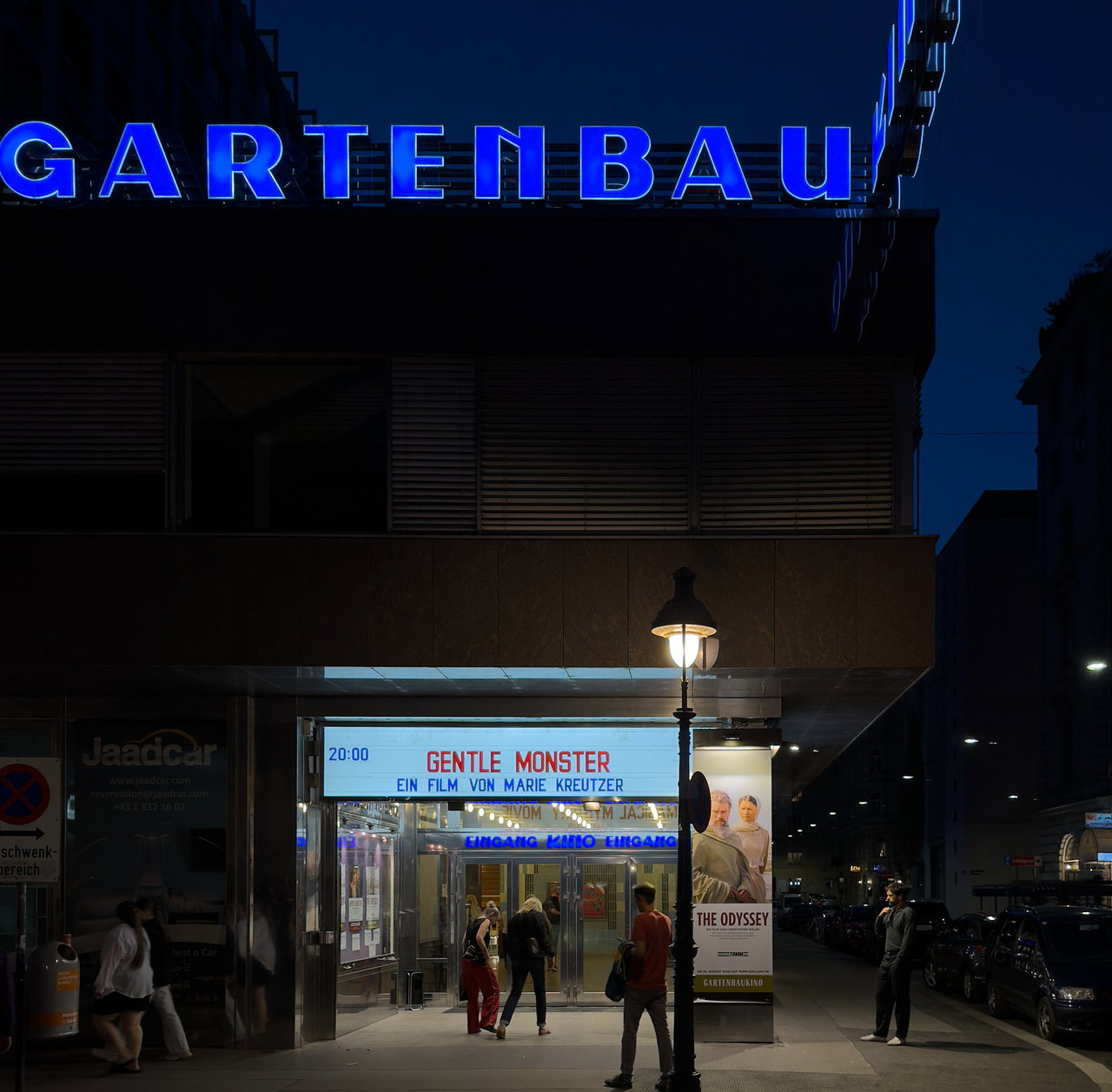
Gartenbaukino — cinema
Kaiserschmarrn at Cafe Prückel
Dinner might be something traditionally Viennese at Salzamt — before heading to Gartenbaukino. Watching a film here always feels special. It is one of the last grand single-screen cinemas in Europe, and the experience of entering the auditorium is part of what makes going there so enjoyable.
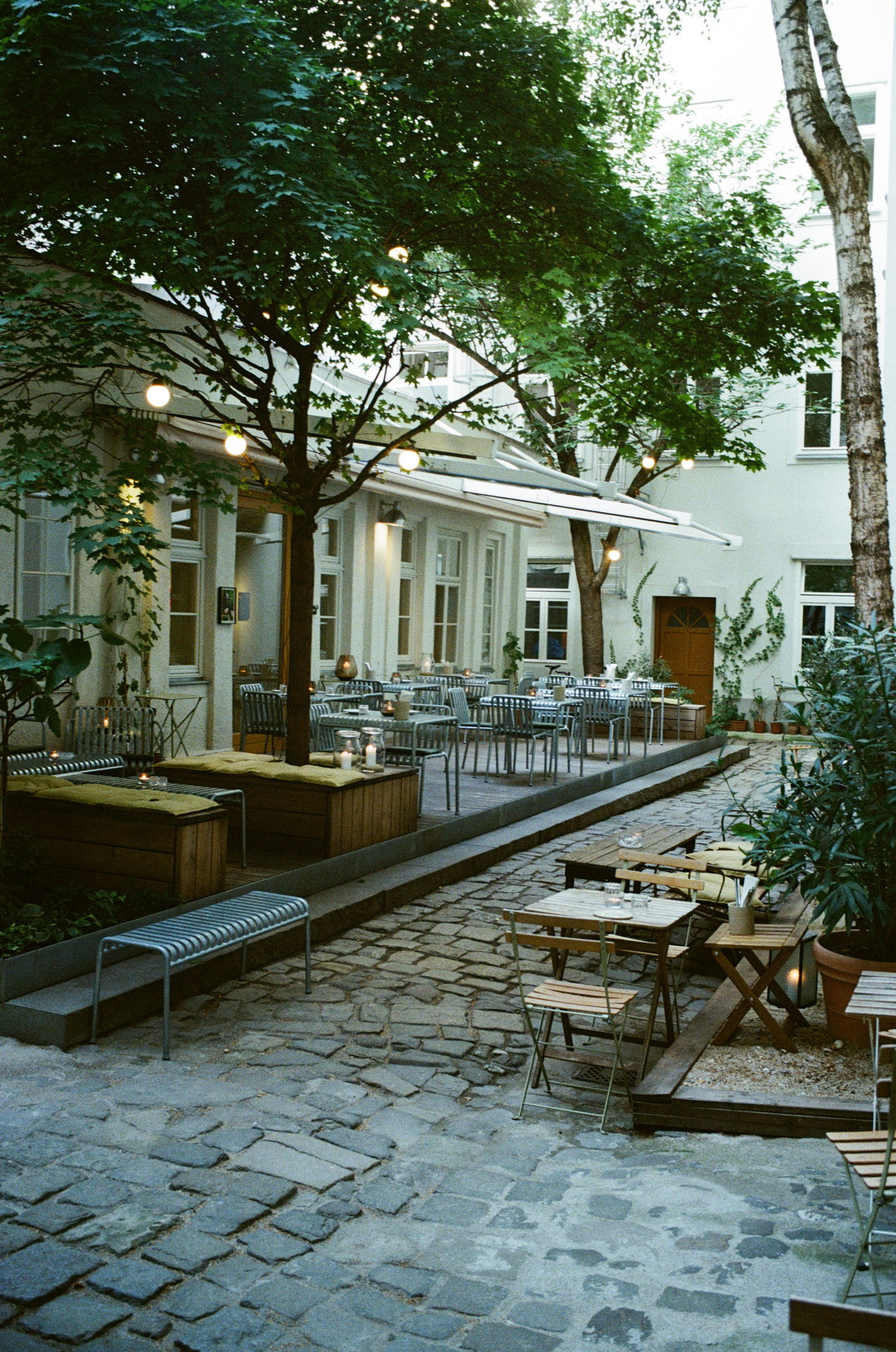
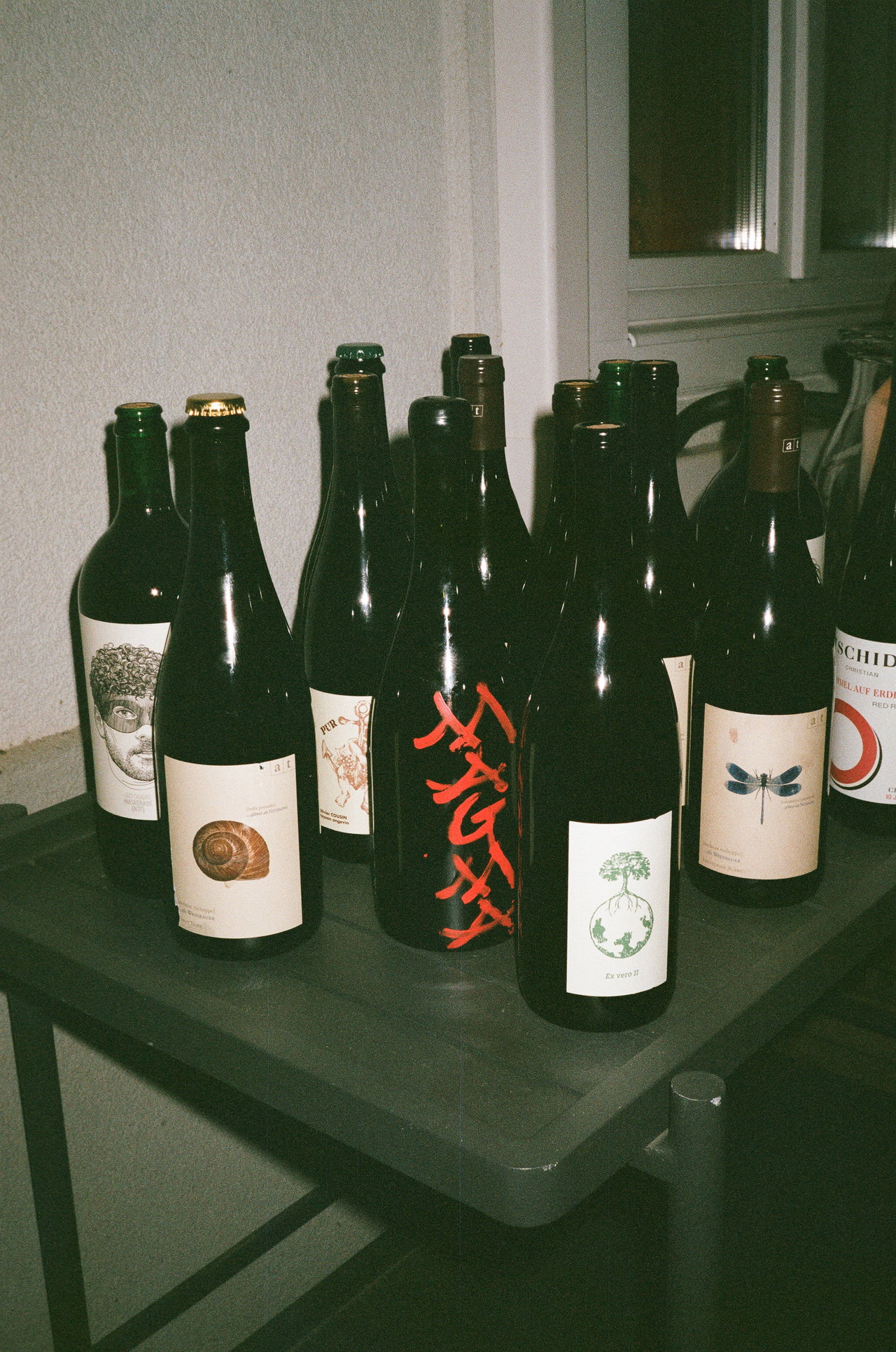
Sometimes, on my way home, I stop by Café Kandl. I conveniently live in the same building, so it is an easy place to meet friends. They have a great natural wine selection and delicious food.
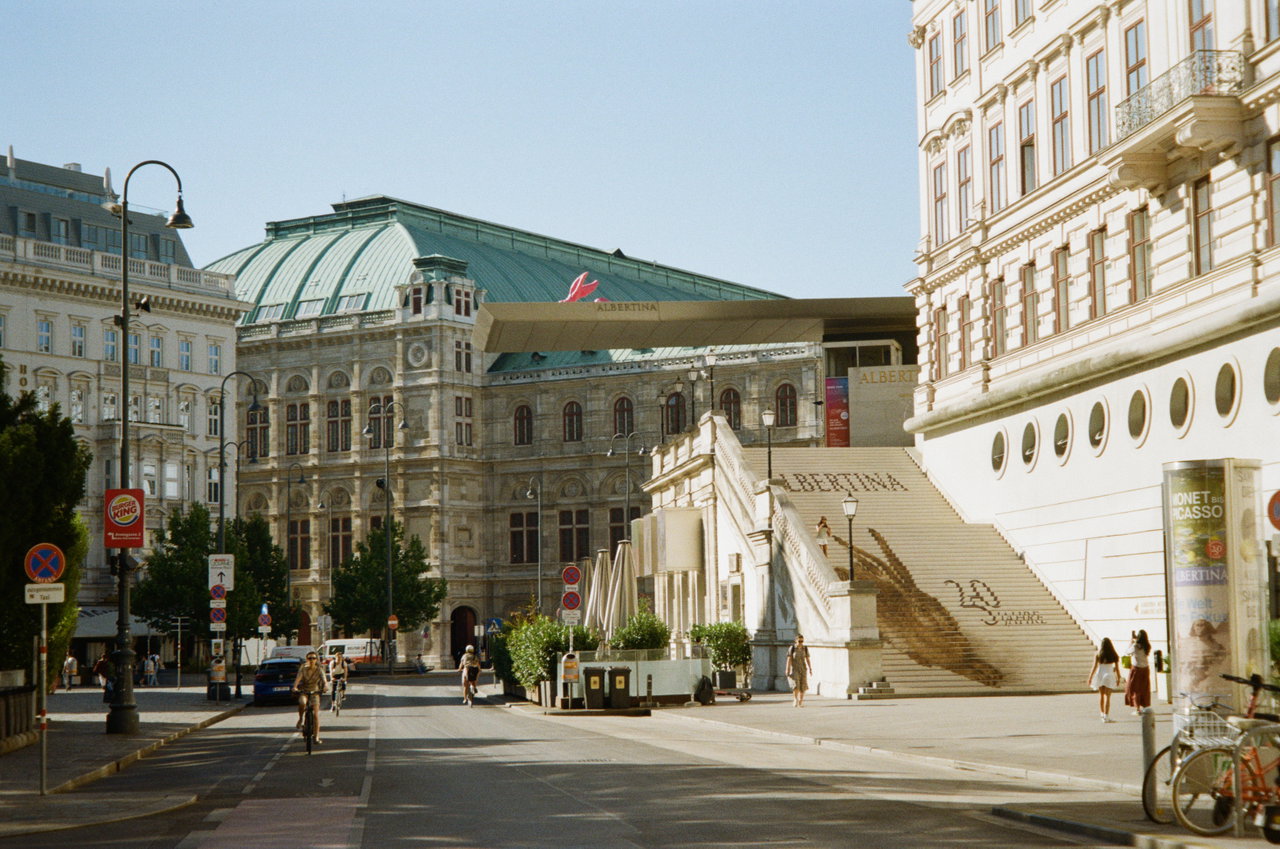
On other days, my route looks completely different. I might have lunch at Cà Phê Lalot, spend an afternoon at the Albertina, or attend a concert at the Musikverein or Konzerthaus. I love classical music, so both are places I return to regularly. If you get the chance, I would also recommend seeing a performance at the State Opera. Vienna has an incredible number of theaters and performance spaces, and I often go to see pieces at Volkstheater Wien.
Vienna also has a very particular relationship to food and design, and one place that captures this for me is Mraz & Sohn. It’s a restaurant, but it feels like much more than that. The Mraz family approaches food in a very creative and playful way, and there is a real sense of experimentation around the restaurant. They also create and participate in unusual projects and happenings around Vienna. It is the kind of place I would recommend if you want to experience a more unexpected, contemporary side of the city.
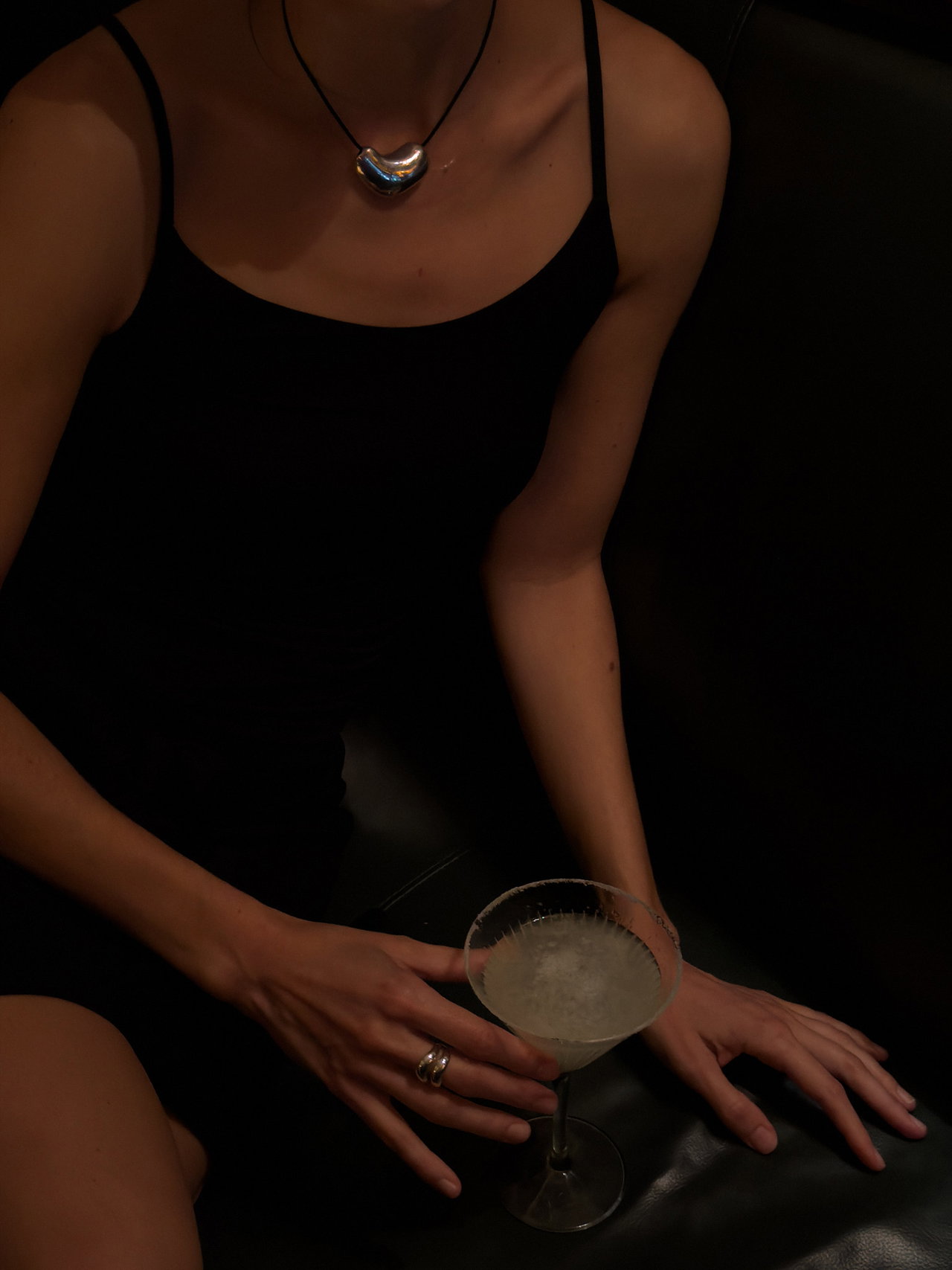
As evening approaches, I like to begin with an aperitivo at Loos American Bar. Designed by Adolf Loos in 1908, this tiny space is legendary for both its architecture and atmosphere. Despite its intimate scale, it remains one of the most influential bar interiors in the city.
State Opera and Albertina
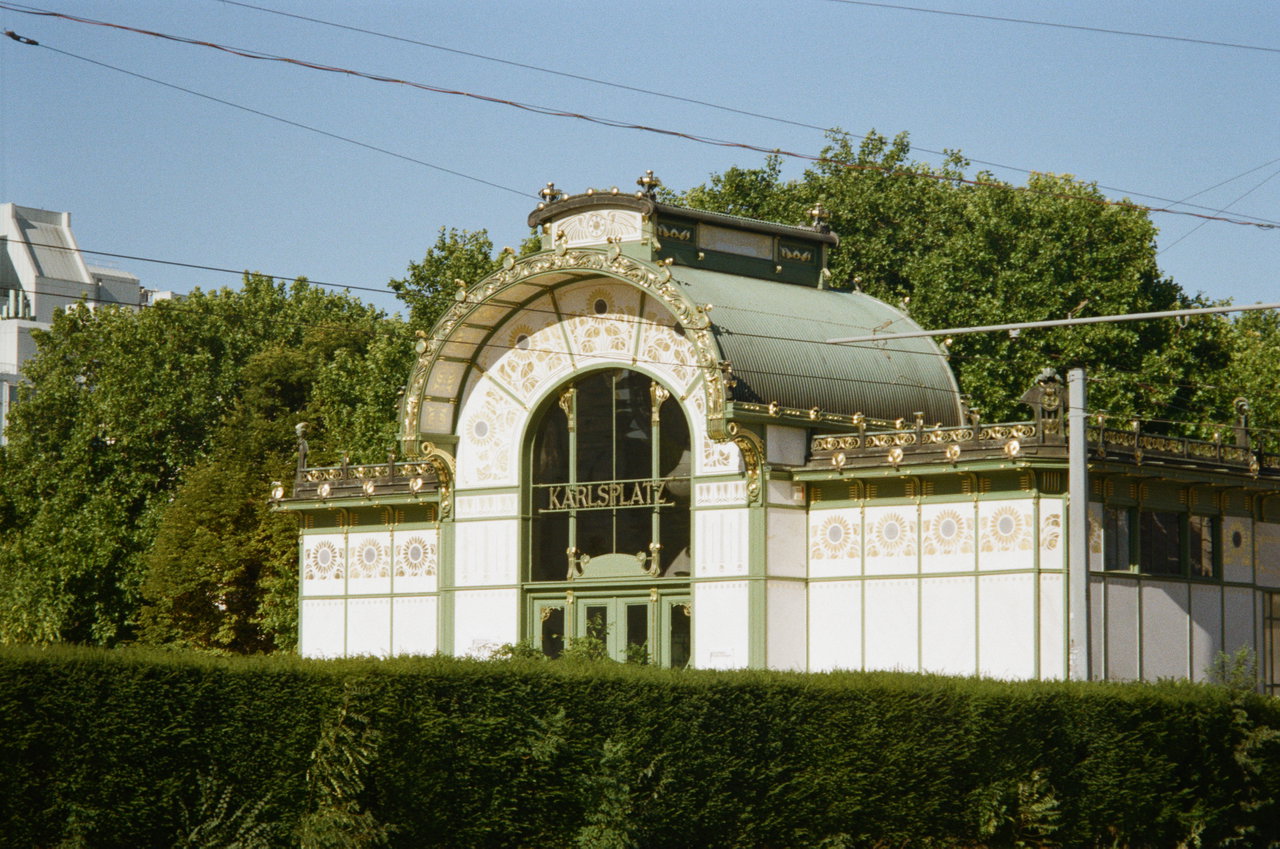
Otto Wagner Pavillion — former Metrostation — now it is a Cafe and Club called ‘Club U’
One of the things I appreciate most about Vienna is that cultural experiences can still feel spontaneous. You can sometimes decide on the same day to see an opera, a dance performance, a concert, or an exhibition and simply go. Culture is such an integral part of everyday life here that it never feels completely separate from the city.
VIENNA BY SEASON
Another thing I love about Vienna is that the cultural life changes throughout the year. Each season has its own rhythm and program, and I think it is worth timing a visit around what you are interested in. My favorite time of year is summer, especially because of ImPulsTanz. For several weeks, the city becomes incredibly alive. Dancers, choreographers, performance artists and companies from all over the world come to Vienna for performances, workshops and collaborations. The city suddenly feels much more international, and there is something happening everywhere. For me, it is one of the most exciting times to be in Vienna. If you are interested in dance or performance, I would definitely recommend coming during ImPulsTanz.
In May and June, there are the Wiener Festwochen, which bring together theatre, opera, music, dance, performance, visual art and more across venues throughout the city. It has a strong international focus and is one of the moments when Vienna’s contemporary cultural scene feels particularly concentrated. Then autumn brings Vienna’s design and art season. Vienna Design Week takes place in September and is something I always keep an eye on, especially because of my interest in objects, interiors and design. September and October also bring a lot of gallery exhibitions and curated by, when international curators work with Viennese galleries around a shared theme.
For film, there is the Viennale in October and November, Vienna’s international film festival. I love that the city has this kind of cultural rhythm throughout the year: you can come back in a different season and experience a completely different side of it.
What I love most about Vienna is this sense of proximity. Within a relatively small city, you can move effortlessly between architecture, art, music, performance, cafés, parks, food, and everyday life. There is something very specific about being able to encounter so much within such a small radius. For me, Vienna is at its best when all of these things overlap.
ADDRESSES
Food & Drink
Bruder: Windmühlgasse 20, Vienna, Austria 1060
Bar Fantasy: Gumpendorfer Str. 22, 1060 Wien, Austria
Cafetière: Wipplingerstraße 25, 1010 Wien, Austria
Café Demel: Kohmarkt 14, 1010 Wien, Austria
Café Espresso: Burggasse 57, 1070 Wien, Austria
Café Europa: Zollergasse 8, 1070 Wien, Austria
Cà Phê Lalot: Wipplingerstraße 25, 1010 Wien, Austria
Cafe Prückel: Stubenring 24, 1010 Wien, Austria
Caffé vom See: 1050 Vienna, Kettenbrückengasse 17, Austria
Centrala / Rosebar Centrala: Rauscherstraße 5, 1200 Wien, Austria
Disco Volante: Stumpergasse 2/3, 1060 Wien, Austria
Galigrü
Kikko Bā: Schleifmühlgasse 8, Vienna, Austria
Maka Ramen: Wimbergergasse 41/1, 1070 Wien, Austria
Meinklang Hofladen: Margaretenstraße 58, 1050 Wien, Austria
Mochi: Praterstr. 15, Wien, Austria
Mraz & Sohn: Wallensteinstraße 59, 1200 Wien, Austria
Loos American Bar: Kärntner Durchgang 10, 1010 Wein, Austria
Palmenhaus: Burggarten 1, 1010 Wien, Austria
phil: Gumpendorfer Straße 10 – 12 1060 Wien, Austria
Salzamt: Ruprechtsplatz 1, 1010 Wien, Austria
Café Kandl: Kandlgasse 12, 1070 Wien, Austria
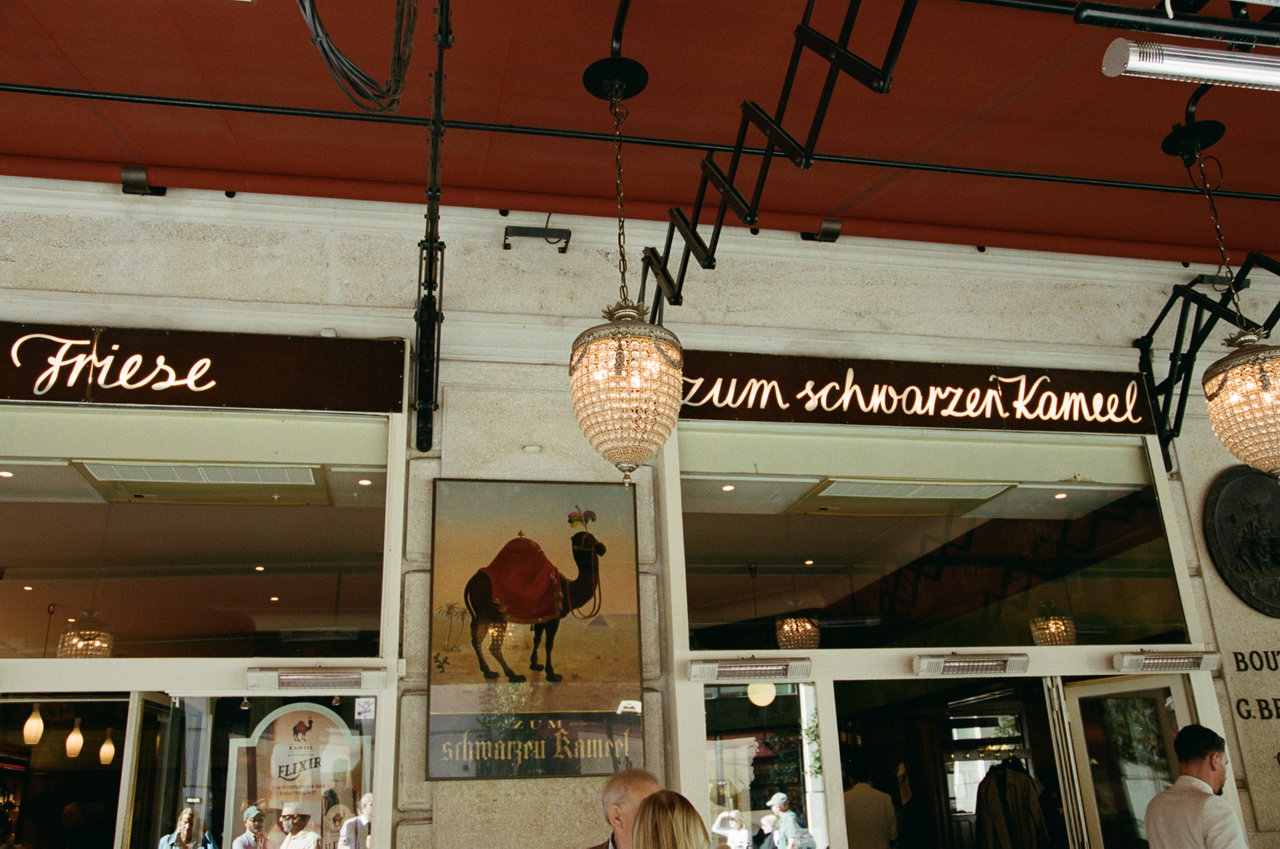
Zum Schwarzen Kameel: Bognergasse 5, 1010 Wien, Austria
Zur alten Liebe: Argentinierstraße 30A, 1040 Wien, Austria
Shopping
Kettenbrückengasse: Karlsplatz
Softcover: Stumpergasse 53-55, 1060 Wien, Austria
Song: Praterstrasse 11-13, 1020 Vienna
Walther König Bookstore: Museumsplatz 1, 1070 Wien, Austria
Wiener Glanz: Schleifmühlgasse 18 / 2-3, Wien, Austria
Wolfmich: Gumpendorferstr 51, Wien, Austria
Museums & Galleries
Albertina: Albertinapl. 1, 1010 Wien, Austria
Architekturzentrum Wein: Museumsplatz 1, 1070 Wien, Austria
Belvedere 21: Quartier Belvedere, Arsenalstraße 1, Vienna, Austria 1030
Kunstverein Gartenhaus: Piaristengasse 26, 1080 Vienna, Austria
Kunsthalle Wien: Museumsplatz 1, 1070 Wien, Austria
Leopold Museum: Museumsplatz 1, 1070 Wien, Austria
MAK - Museum of Applied Arts: Stubenring 5, 1010 Wien, Austria
mumok: Museumsplatz 1, 1070 Wien, Austria
MuseumsQuartier: 1070 Vienna, Austria
Secession: Friedrichstraße 12, 1010 Wien, Austria
Architecture
Konzilsgedächtniskirche Lainz-Speising:
Retti Facade: Kohlmarkt 12, 1010 Wien, Austria
Steinhofgründe: Baumgartner Höhe, 1140 Wien, Austria
Villa Beer: Wenzgasse 12, A-1130, Austria
Werkbundsiedlung: Veitingergasse 13, 1130 Wien, Austria
Wotruba Church: Ottillingerpl. 1, 1230 Wien, Austria
Events & Performances
Brut: Nordwestbahnstraße 8–10 1200 Wien, Austria
Burgtheater: Universitätsring 2, 1010 Wien, Austria
Gartenbaukino: Parkring 12, 1010 Wien, Austria
ImPulsTanz: Neustiftgasse 3, 1070 Wien, Austria
Konzerthaus: Lothringerstraße 20, 1030 Wien, Austria
Musikverein: Musikvereinspl. 1, 1010 Wien, Austria
Schauspielhaus: Porzellangasse 19, 1090 Wien, Austria
State Opera: Opernring 2, 1010 Wien
Tanzquartier Wein: Museumsplatz 1, 1070 Wien, Austria
Volkstheater Wien: Arthur-Schnitzler-Platz 1, 1070 Wien, Austria
Wiener Festwochen: Stubenring 5, 1010 Vienna, Austria
Viennale: Siebensterngasse 2 A-1070 Vienna
Other
Michaelerplatz: 1010 Vienna, Austria
Volksgarten: 1010 Vienna, Austria
Theseus Temple: 1010 Vienna, Austria